

 |
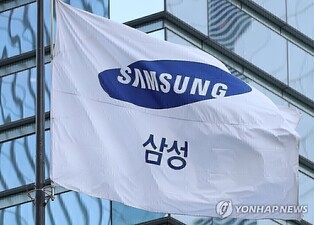
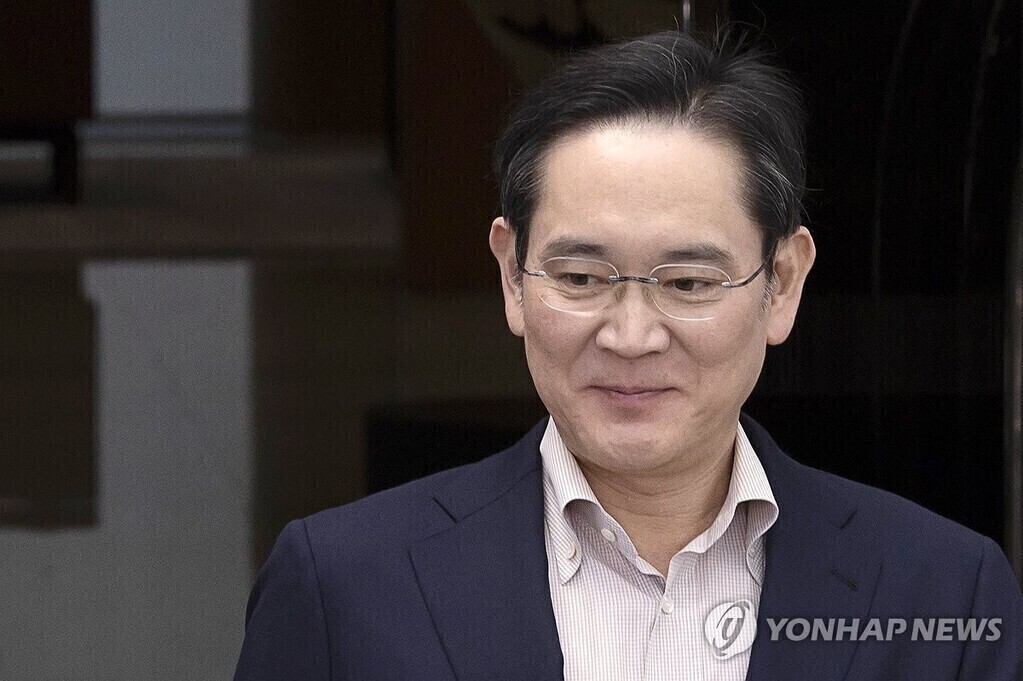
Lee Jae-yong, Chairman of Samsung Electronics. (Photo courtesy of Yonhap News Agency) |
[Alpha Biz= Kim Jihyun] Samsung Life Insurance’s decision to reclassify massive valuation gains from Samsung Electronics shares—originally purchased with funds from participating insurance policyholders—from liabilities to equity is expected to translate into extraordinary dividend benefits for its controlling shareholder, Lee Jae-yong, Chairman of Samsung Electronics, according to market observers.
Based on AlphaBiz reporting compiled on February 23, Samsung Life disclosed in its audit report released on February 19 that it has reclassified valuation gains on Samsung Electronics shares. These gains had previously been recorded as a separate liability account (“policyholder interest adjustment”), reflecting the portion attributable to participating insurance policyholders, but have now been transferred in full to shareholders’ equity.
The move is understood to be a byproduct of the termination of what regulators had previously described as “deviant accounting practices” and the adoption of the new international accounting standard, IFRS 17, in line with financial authorities’ guidance.
Samsung Life justified the reclassification by stating that there is no plan to sell the shares and therefore no future cash outflows that would warrant recognizing the gains as liabilities. On this basis, the insurer incorporated the substantial unrealized gains into its equity.
As a result, concerns have emerged that profits which should ultimately be distributed to participating policyholders—who paid insurance premiums used to acquire the shares—may instead be converted into significant gains for the controlling shareholder family through the mechanism of deferred sales and equity capitalization.
Kim Sung-young, a derivatives expert and former legislative aide known for his critical stance toward conglomerates, sharply criticized the move. “Equity, in simple terms, represents shareholders’ money,” he said. “Declaring the entire valuation gain from Samsung Electronics shares—purchased with participating policyholders’ funds—as belonging to Samsung Life’s shareholders defies principles of fairness and common sense.”
According to estimates from the accounting industry, Lee directly holds a 10.44% stake in Samsung Life and a 19.93% stake in Samsung C&T, which in turn owns 19.34% of Samsung Life. Taken together, Lee’s effective direct and indirect ownership of Samsung Life is estimated at approximately 14%.
Professor Kim Soo-hyun of Hanyang University’s Institute for Talent and Future Education analyzed that, assuming Samsung Electronics shares are valued at KRW 190,000 each, the total unrealized gain on Samsung Life’s holdings would amount to roughly KRW 95 trillion. Applying Lee’s effective ownership stake of 14% yields a simple calculation of approximately KRW 13 trillion potentially attributable to him.
“In effect,” Professor Kim added, “Chairman Lee stands to benefit enormously from asset appreciation funded by participating policyholders, without having contributed capital himself, with those gains flowing directly to controlling shareholders.”
From an accounting perspective, classifying stock valuation gains as equity effectively signals that there is no intention to sell the shares. If the insurer intended to distribute profits to policyholders through liquidation, the gains should instead be recognized as liabilities and accompanied by a concrete disclosure of sale plans, industry sources noted.
If Samsung Life maintains its current stance and refrains from selling the shares, participating policyholders will receive no dividends. Moreover, once all such policyholders eventually pass away, the accumulated gains are expected to remain entirely as dividend-paying capacity for Samsung Life shareholders, including Lee and other controlling interests.
Samsung Life has maintained that the reclassification was carried out in accordance with supervisory regulations and that selling the shares is difficult due to governance considerations.
However, insurance industry insiders broadly agree that selling at least 5% of outstanding shares would have little to no practical impact on the group’s control structure or management stability. Experts also point out that Samsung Life already sold approximately KRW 1 trillion worth of Samsung Electronics shares last year, undermining claims that divestment is structurally impossible.
Alphabiz 김지현 기자(ababe1978@alphabiz.co.kr)