

 |
Photo = Samsung Biologics |
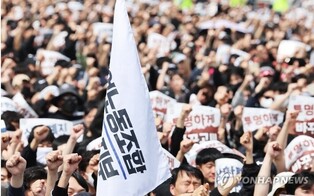
[Alpha Biz= Kim Jisun] A South Korean court ruling to partially restrict labor union strike actions in the biopharmaceutical sector is expected to have broad implications across the industry, particularly as it highlights the risk of irreversible losses from production disruptions.
According to industry sources on April 26, the Incheon District Court partially granted an injunction filed by Samsung Biologics, limiting strike activities in certain stages of its manufacturing process.
The decision is notable for applying Article 38(2) of the Trade Union Act—which mandates continued work to prevent deterioration or contamination of materials—even during labor disputes, to biopharmaceutical production.
Industry observers say the ruling could significantly weaken the union’s strike leverage and increase both legal and practical pressure on labor actions in the sector.
The court emphasized that the right to collective action may be restricted when it conflicts with the protection of critical assets or the survival of a business. In biopharmaceutical manufacturing, halting operations can lead to irreversible losses, including batch disposal, process contamination, and regulatory risks.
Given the sector’s direct link to global supply chains and patient safety, production disruptions can extend beyond corporate losses to broader public and industry impacts.
The ruling is also seen as a precedent defining the limits of strike rights in industries where operational continuity is essential. Samsung Biologics has indicated that even processes not covered by the injunction should take into account the unique risks and quality requirements of biopharmaceutical production.
Alphabiz Reporter Kim Jisun(stockmk2020@alphabiz.co.kr)