

 |
Photo courtesy of Yonhap News |
[Alpha Biz= Kim Jisun] Global airfares are rising sharply as international oil prices surge amid escalating tensions in the Middle East.
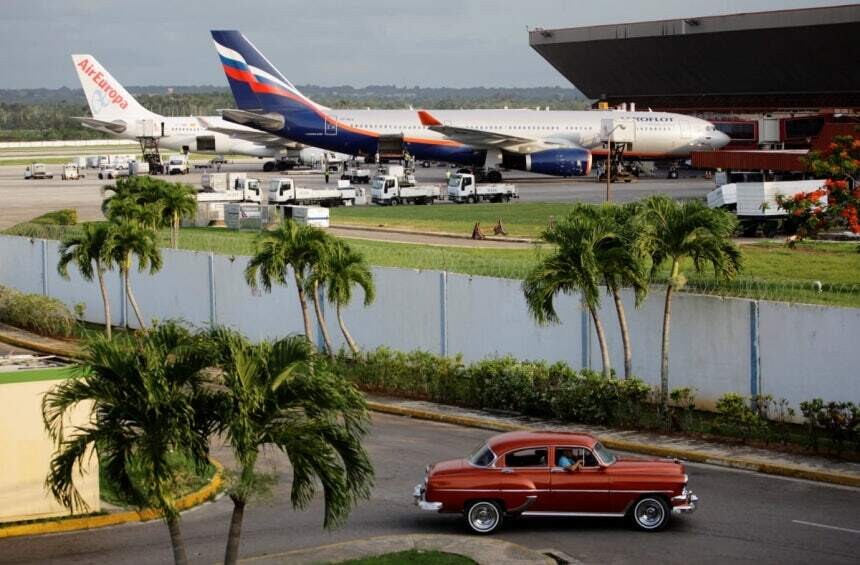
Major airlines have begun announcing fare increases as they struggle to absorb higher fuel costs, raising concerns that travelers planning overseas trips may soon face significantly higher expenses.
According to AFP and other media reports on March 10, Scandinavian Airlines (SAS)—the largest airline in Northern Europe—said it would implement a temporary price adjustment after aviation fuel prices in Europe climbed to their highest level since 2022.
Australia’s Qantas Airways and Air New Zealand have also joined the wave of price increases, citing higher fuel expenses. Meanwhile, Hong Kong Airlines announced that it will raise its fuel surcharges by up to 35.2% starting March 12.
Jet fuel typically accounts for 20–30% of airline operating costs, but prices have recently been rising faster than crude oil due to premiums associated with refining and transportation.
According to British commodities data provider Argus, the jet fuel premium in northwest Europe has surged to $97 per barrel, the highest level on record.
The situation is putting particular pressure on low-cost carriers (LCCs) in Southeast Asia, many of which are reportedly considering suspending some flight operations due to limited financial resources.
Michael Linenberg, an analyst at Deutsche Bank, warned that a prolonged conflict could trigger a wave of bankruptcies among financially vulnerable airlines.
Costs have also risen as airlines are forced to reroute flights after Middle Eastern airspace closures linked to the Iran conflict, increasing flight distances and fuel consumption. As a result, prices on some routes have already more than doubled, industry sources said.
알파경제 Kim Jisun Reporter(stockmk2020@alphabiz.co.kr)



















![[현장] 위기의 K무비, 결국 또 ‘쿠폰 살포’ 미봉책인가…혈세로 덮는 영화계 침체](/news/data/20260508/p1065601751569568_446_h2.jpg)