 |
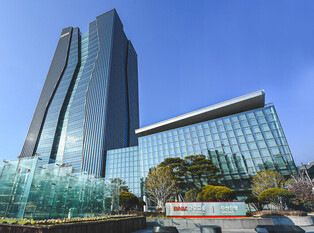
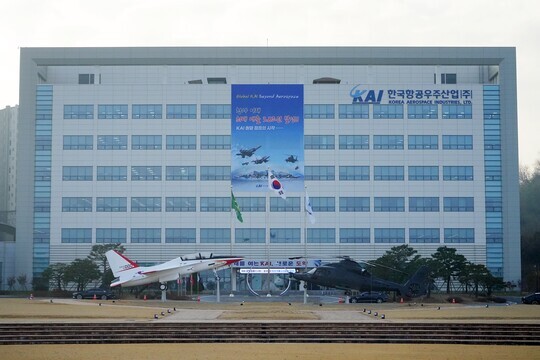
Photo: Korea Aerospace Industries |
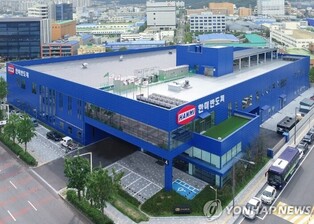
[Alpha Biz= Kim Jisun] Korea Aerospace Industries (KAI) has pressed ahead with the nomination of Kim Jong-chul, former head of the Defense Technology Protection Bureau at the Defense Acquisition Program Administration (DAPA), as its next chief executive officer, despite strong resistance from the company’s labor union.
KAI’s CEO Nomination Committee announced on Feb. 27 that it had recommended Kim as an internal director candidate for the CEO position. The company subsequently approved an agenda item to appoint a new director at an extraordinary board meeting and plans to finalize Kim’s appointment as CEO at an extraordinary shareholders’ meeting scheduled for March 18.
Kim is a graduate of the Korea Air Force Academy and served as an Air Force officer for more than 20 years before joining DAPA in 2006 through a special recruitment process. As an early member of the agency, he held key posts including head of the defense export support team, offset trade division chief, strategic planning roles, and director of the unmanned systems division, before retiring in 2019.
The nomination committee praised Kim as a candidate with broad expertise across the defense industry and strong insight into future businesses, citing his export network and strategic planning capabilities as assets that could help KAI grow into a global aerospace company. KAI echoed this assessment, describing Kim as an export specialist with a deep understanding of defense and aerospace policy and advanced technologies.
However, KAI’s labor union has strongly criticized the nomination, arguing that Kim lacks hands-on management experience in aircraft development, production, global marketing, and large-scale organizational leadership. The union questioned whether he is qualified to lead a multi-trillion-won aerospace company and raised additional concerns over what it described as politically influenced “parachute appointments.”
Union leaders attempted to block the extraordinary board meeting at KAI’s Seoul office but were unsuccessful. They alleged procedural irregularities during the meeting and vowed to continue opposing the appointment at the shareholders’ meeting.
The controversy has reignited long-standing criticism over governance at KAI, whose largest shareholder is the Export-Import Bank of Korea, holding a 26.4% stake. Due to its ownership structure and reliance on public capital, KAI has frequently been accused of appointing politically connected executives following changes in government.
Industry observers note that many of KAI’s past CEOs have come from government or military backgrounds, often drawing scrutiny over political ties. The union warned that repeating such appointment practices could undermine KAI’s credibility as a technology-driven aerospace company and reduce it to a political prize rather than a strategic national enterprise.
Alphabiz Reporter Kim Jisun(stockmk2020@alphabiz.co.kr)