

 |
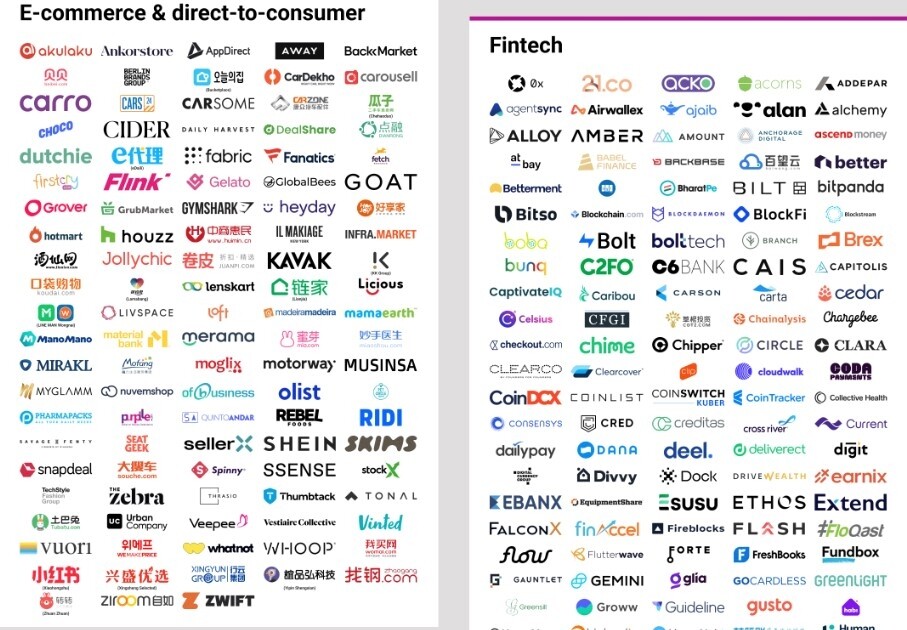
Global unicorn list. (Photo: Yonhap News) |
[Alpha Biz= Paul Lee] Seoul, South Korea — South Korea holds 13 unicorn companies, ranking 11th worldwide, according to new data from the Korea Chamber of Commerce and Industry (KCCI). Unicorns—privately held startups valued at over USD 1 billion—are widely regarded as a key indicator of a country’s innovation capacity. The relatively low number of new unicorns highlights concerns that Korea’s startup ecosystem is losing momentum compared with major global competitors.
KCCI’s analysis, released on December 3, shows that as of October 2024, there were 1,276 unicorns globally. The United States leads overwhelmingly with 717 companies, accounting for 56.2% of the total. China follows with 151, and India with 64. Korea placed 11th with 13 unicorns, including AI chip design firm Rebellions, fashion platform Ably, and agricultural marketplace Tridge.
Korea’s unicorn count rose only marginally—from 11 in 2021 to 13 this year—during a period when the global startup landscape underwent major structural shifts, including the rise of AI and a surge in venture capital investment. In the same timeframe, the U.S. added 229 unicorns, the U.K. added 19, and both India and France gained nine. Excluding China, which saw a decrease of 19 unicorns, Korea recorded the weakest growth among major economies.
Korea also ranked low in the speed of unicorn formation. Korean startups took an average of 8.99 years to reach unicorn status, compared with 6.27 years in China, 6.48 years in Germany, and 6.7 years in the United States. The top 10 countries averaged 6.97 years, underscoring Korea’s slower pace.
The industry mix of Korean unicorns further highlights the structural challenges. While 36.3% of unicorns in the top 10 countries operate in AI or IT solutions, 46.1% of Korea’s unicorns fall under consumer goods and commerce, signaling a lack of scale-ups in advanced strategic sectors.
KCCI emphasized the need for concentrated innovation hubs and more aggressive government-led seed investment. Much like Silicon Valley, which hosts 45.3% of U.S. unicorns, Korea needs a geographically concentrated ecosystem that accelerates talent, capital, and innovation flows.
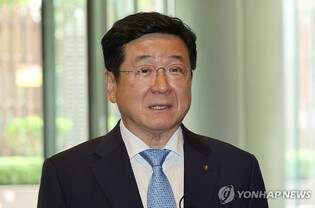
“We must rebuild Korea’s unicorn ecosystem through bold regulatory reforms and robust capital inflows,” said Kim Hyun-su, head of economic policy at KCCI.
알파경제 Paul Lee 특파원(hoondork1977@alphabiz.co.kr)