

 |
Photo courtesy of Yonhap News |
[Alpha Biz= Kim Jisun] The South Korean government has rolled out tougher regulations aimed at curbing speculative real estate purchases by foreign nationals, as concerns grow over market distortion driven by overseas capital inflows.
The Ministry of Land, Infrastructure and Transport (MOLIT) announced that revised enforcement decrees and rules under the Real Estate Transaction Reporting Act will take effect starting July 10. The amendments mandate stricter verification of foreigners’ residency status and enhanced disclosure of overseas funding sources used in property transactions.
Under the revised rules, foreign nationals entering into real estate contracts on or after July 10 are required to report detailed residency information, including visa type, domestic address, and whether they have resided in South Korea for more than 183 days. The measure is designed to closely assess tax residency status, which is a key criterion under the Income Tax Act.
Disclosure requirements for funding sources have also been significantly expanded to prevent illicit transactions and disguised gifts using overseas funds. Regardless of nationality, buyers purchasing homes in land transaction permit zones must now submit a funding source plan along with supporting documents. The disclosures must specify overseas deposits, foreign loans, and the names of foreign financial institutions involved. Proceeds from cryptocurrency sales, which have increasingly been used in real estate transactions, have been added as a mandatory reporting item.
To further strengthen transaction transparency, buyers must attach documents verifying actual payment of funds—such as sales contracts and receipts for down payments—when transactions are reported by a single party or through an intermediary, rather than joint filing by both buyer and seller.
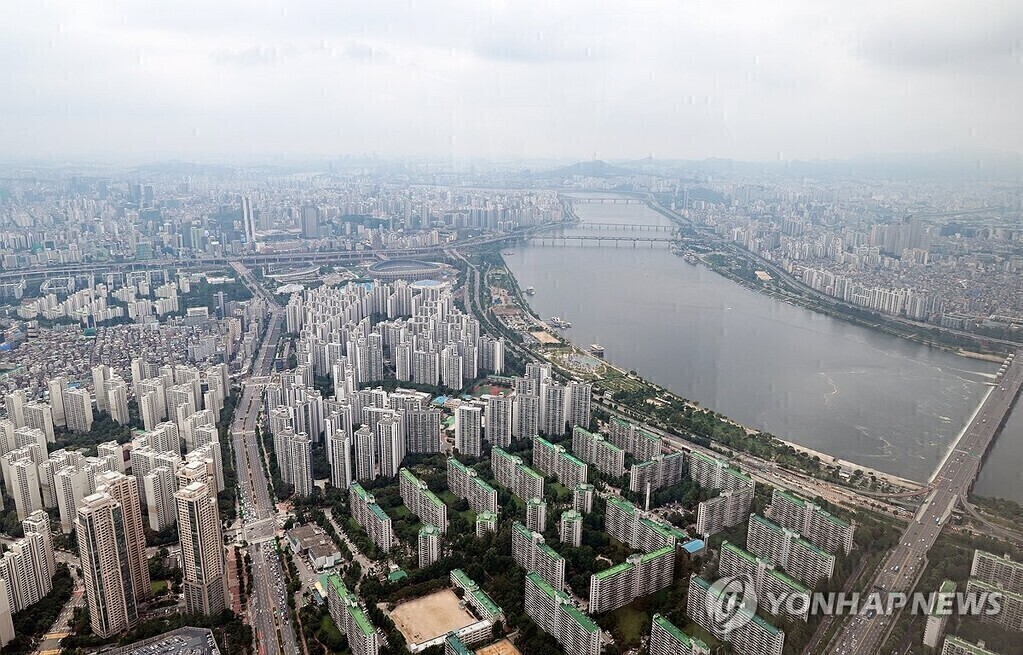
The regulatory overhaul comes amid a sharp rise in foreign ownership of residential properties. As of the end of 2024, the number of homes owned by foreign nationals in South Korea exceeded 100,000, with Chinese nationals accounting for more than half of the total. Critics have raised concerns over concentration by nationality and multiple-home ownership, particularly as domestic buyers face tighter mortgage regulations while foreign investors continue to acquire high-priced properties using overseas capital.
Alphabiz Reporter Kim Jisun(stockmk2020@alphabiz.co.kr)