 |
Photo courtesy of Yonhap News |
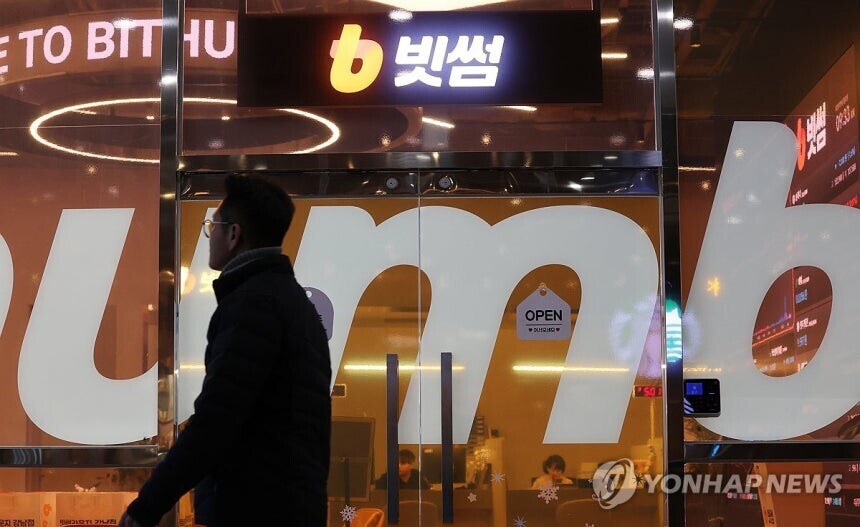
[Alpha Biz= Kim Jisun] South Korea’s Financial Supervisory Service (FSS) has launched a full-scale inspection into Bithumb following an incident in which nearly ₩60 trillion worth of Bitcoin was mistakenly credited, raising concerns that the case goes beyond a simple system error to expose deep flaws in internal controls and governance.
According to financial authorities on Monday, the FSS formally began its inspection of Bithumb, just three days after an on-site review and one day after issuing advance notice of the probe.
Regulators are focusing on how approximately 620,000 bitcoins—about 14 times the exchange’s actual holdings of roughly 46,000 bitcoins—were credited within Bithumb’s system. Key areas of scrutiny include whether so-called “ledger-only transactions,” in which account balances are adjusted without actual asset movement, were improperly handled, and whether monitoring systems designed to reconcile on-chain assets with internal records were functioning properly.
The incident is expected to accelerate discussions surrounding the second phase of cryptocurrency legislation. The Financial Services Commission has previously considered treating crypto exchanges as public infrastructure and limiting major shareholders’ ownership stakes to 15–20%. However, the proposal faced resistance from the industry and opposition even within the ruling Democratic Party’s Digital Asset Task Force, which argued the measure was excessive.
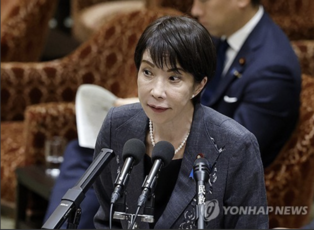
Momentum behind shareholder limits has grown following revelations of weak internal controls at Bithumb. Democratic Party policy chief Han Jung-ae said, “Through major shareholder suitability reviews and governance diversification, we must address systemic blind spots and build a foundation the public can trust.”
The crypto industry, however, disputes a direct link between ownership concentration and the incident. Industry representatives argue that leading exchanges already operate advanced risk-prevention systems regardless of ownership structure, and that the core issue lies in internal controls rather than equity concentration. One industry official warned that imposing ownership caps could create “ownerless companies” where accountability is diluted and crisis response is slowed.
Legal and academic experts remain divided. Lee Jung-yup, former president of the Korean Blockchain Law Society, argued that excessive control by a single shareholder can undermine internal safeguards and called for ownership caps of 10–15% to disperse risk. In contrast, Hwang Seok-jin, a professor at Dongguk University’s Graduate School of International Information Security, cautioned that forcibly fragmenting ownership could obscure responsibility and delay decision-making during emergencies.
Alphabiz Reporter Kim Jisun(stockmk2020@alphabiz.co.kr)