 |
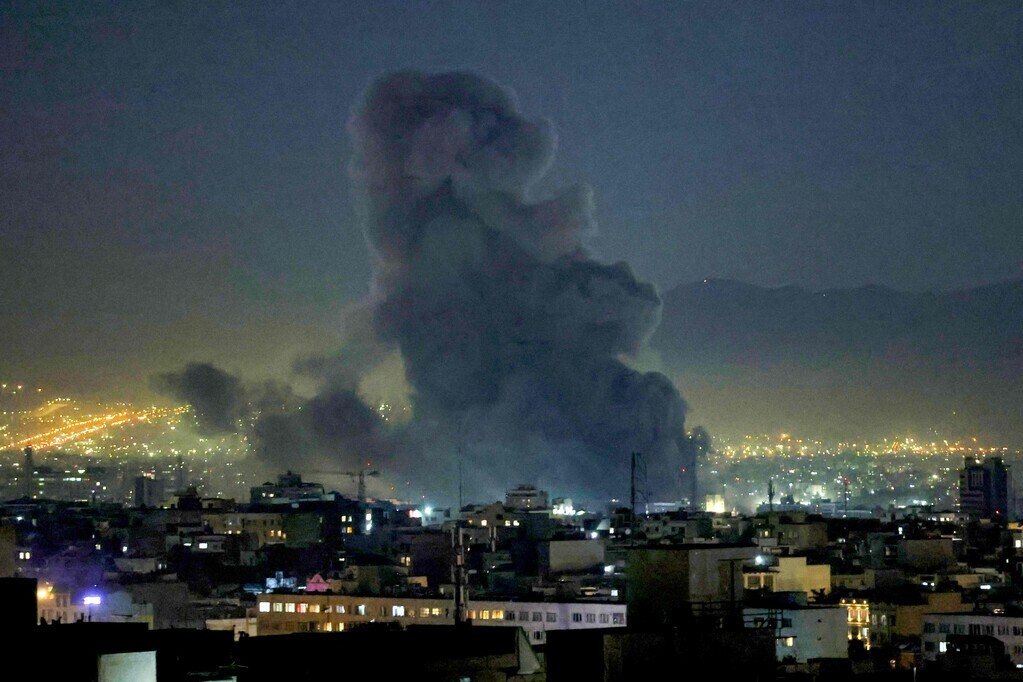
Smoke rises over Tehran, Iran. (Photo: Yonhap News Agency) |
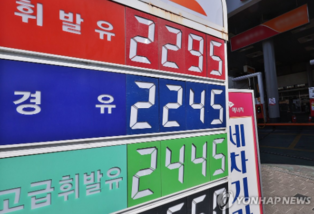
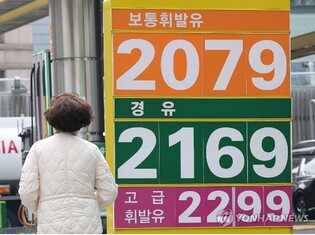
[Alpha Biz= Paul Lee] Major South Korean conglomerates have begun activating contingency plans after global oil prices surged above $110 per barrel following U.S. and Israeli strikes on Iran, raising concerns over rising costs, inflation and weakening export demand.
According to industry sources on Sunday, leading groups including Samsung, SK Group, Hyundai Motor Group, LG Group, POSCO Group and Hanwha Group convened emergency meetings late last week and Monday to reassess business strategies as oil prices and exchange rates diverge sharply from earlier forecasts.
Energy and petrochemical companies are among the most exposed. GS Group is overseeing emergency response measures led by Chairman Hur Tae-soo, while its refining unit GS Caltex is focusing on securing alternative crude supply routes and utilizing oil reserves. HD Hyundai has also held multiple emergency meetings, with HD Hyundai Oilbank reportedly spending about 40 billion won to charter oil tankers to secure crude shipments.
In the aviation sector, rising fuel costs are expected to weigh heavily on airlines. Korean Air, which consumes more than 30 million barrels of jet fuel annually, faces an additional cost of about 45 billion won for every $1 increase in oil prices. With oil rising more than $30 in the past week, the airline could face nearly 1.4 trillion won in extra costs if prices remain above $100 per barrel.
Asiana Airlines and Korean Air have hedged roughly 30% and 50% of their expected fuel consumption respectively, but industry officials say such measures may offer limited protection if prices continue to surge.
Manufacturers are also bracing for rising energy and logistics costs. Carmaker Hyundai Motor is reviewing adjustments to its product mix to increase hybrid vehicle sales, while Samsung Electronics and LG Electronics are focusing on mitigating higher logistics expenses.
Companies are particularly wary of a “triple shock” scenario combining high oil prices, a weakening currency and rising interest rates. Analysts warn that prolonged high oil prices could increase inflationary pressure and push monetary policy toward earlier rate hikes, raising the risk of stagflation in South Korea’s export-dependent economy.
알파경제 Paul Lee 특파원(hoondork1977@alphabiz.co.kr)