

 |
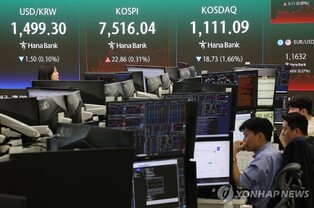
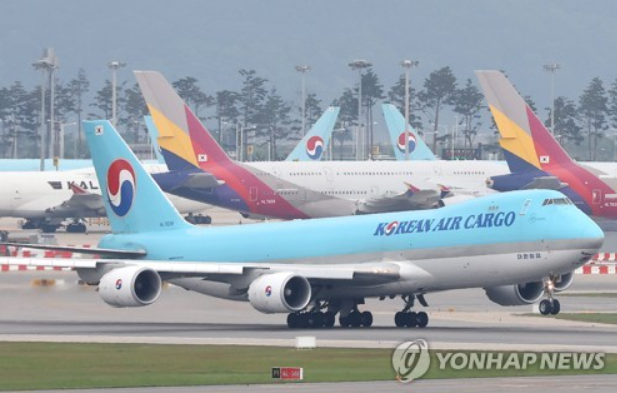
Photo courtesy of Yonhap News |
[Alpha Biz= Paul Lee] South Korea’s aviation and energy sectors are bracing for heightened volatility as geopolitical risks intensify in the Middle East.
According to industry sources on March 3, Korean Air has suspended its Incheon–Dubai (KE951/952) flights through July 5. The carrier initiated emergency returns and cancellations immediately after the U.S. strike on Iran late last month. Korean Air is currently the only domestic airline operating a Middle East route (Incheon–Dubai), with daily service prior to the suspension.
Airlines are particularly sensitive to fluctuations in exchange rates and oil prices, as fuel, aircraft leases, maintenance and overseas operating expenses are largely denominated in U.S. dollars. Korean Air is estimated to incur roughly KRW 48 billion in foreign exchange valuation losses for every 10-won rise in the won–dollar exchange rate. With the won weakening by about 20 won amid renewed Middle East tensions, losses could widen further if instability persists.
Surging crude oil prices present an additional challenge. Iran’s Revolutionary Guard has signaled potential action in the Strait of Hormuz, raising concerns over possible blockades and attacks on civilian vessels. Airlines face difficulty fully passing higher jet fuel costs onto passengers through fuel surcharges, increasing the risk of operating losses.
South Korea remains heavily exposed to Middle Eastern energy supplies. As of last year, 69.1% of the country’s crude oil imports originated from the region, with more than 95% transported via the Strait of Hormuz.
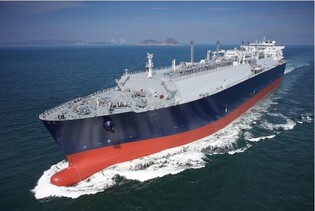
The shipping industry, meanwhile, is balancing both opportunity and risk. Freight rates have rebounded amid logistical disruptions. According to the Baltic Exchange, spot rates for very large crude carriers (VLCCs) surged 196% year-to-date to $204,000 as of June 27, marking the highest level since April 2020.
Korean shipping firms including HMM and Pan Ocean, which have expanded their bulk carrier exposure, are closely monitoring the situation as Middle East transit costs rise amid heightened uncertainty. However, higher insurance premiums and fuel costs could offset gains from elevated freight rates.
Refiners are also reviewing contingency measures, including potential adjustments to crude procurement routes, to mitigate supply disruptions should tensions escalate further.
Alphabiz Reporter Paul Lee(hoondork1977@alphabiz.co.kr)