

 |
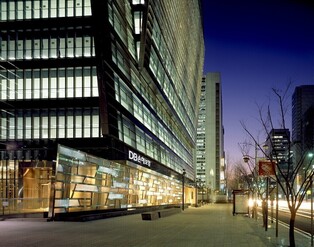
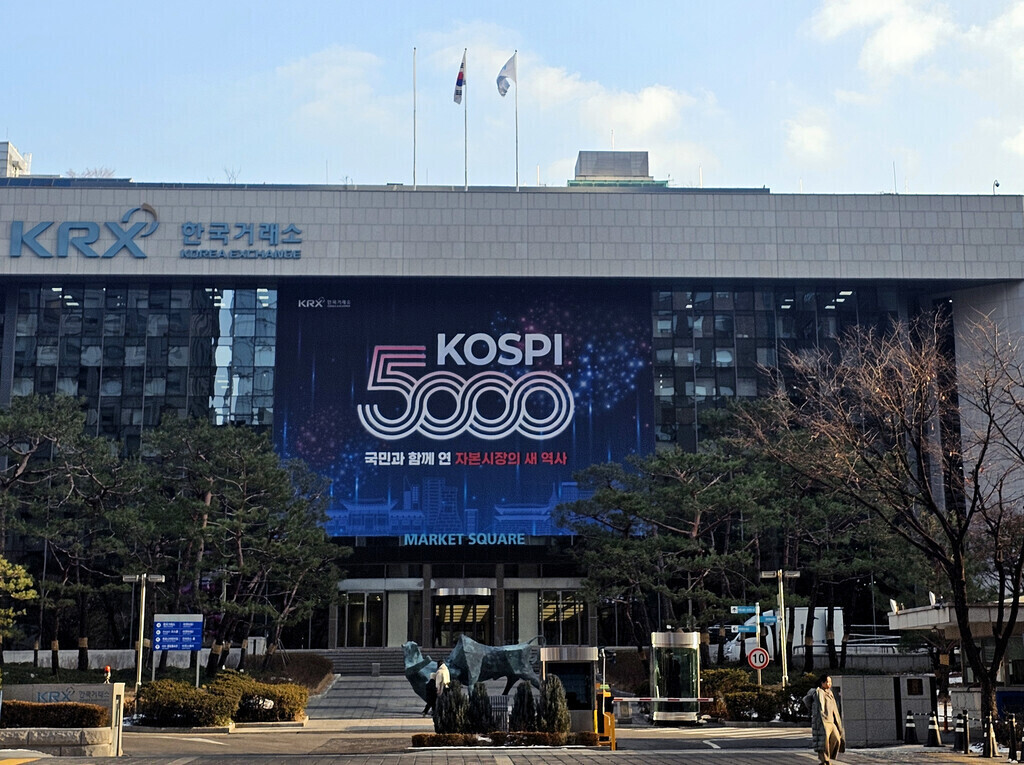
Korea Exchange. (Photo: AlphaBiz) |
[Alpha Biz= Paul Lee] South Korea’s financial regulators have moved to accelerate the cleanup of low-priced stocks by introducing new delisting rules for shares trading below KRW 1,000.
According to the Korea Exchange, 26 Kosdaq-listed companies have disclosed reverse stock split plans so far this year. In the main KOSPI market, five companies—including Shinsung E&G, Hanchang Paper, and Hansae MK—have also announced similar measures.
The pace marks a sharp increase compared with previous years. Last year saw 15 reverse splits on Kosdaq and two on the KOSPI, while 2024 recorded 11 cases on Kosdaq and none on the main board. Even before the end of the first quarter, this year’s total for Kosdaq has already exceeded last year’s annual figure.
Industry observers say the spike reflects tighter listing maintenance requirements and mounting pressure to eliminate penny stocks. On June 12, regulators formally added stocks trading below KRW 1,000 as a new delisting criterion, citing heightened volatility and vulnerability to price manipulation.
To prevent companies from circumventing the rule through mechanical price adjustments, authorities also stipulated that stocks trading below their post-split par value could still be subject to delisting. The measure aims to curb “cosmetic fixes” in which firms conduct high-ratio reverse splits—such as 10-to-1 or 20-to-1—to artificially raise share prices, only to see them decline again over time.
For example, East Asia Holdings carried out a 25-to-1 reverse split last year, lifting its share price from KRW 266 to KRW 6,658. However, subsequent capital increases and price declines pushed the stock back into penny-stock territory, with its market capitalization now hovering around KRW 24 billion and shares trading near KRW 900.
Under the revised framework, even if a company raises its share price above KRW 1,000 through a reverse split, it could still face delisting if the post-split share price falls below its adjusted par value.
Market participants caution that while reverse splits may help companies shed the stigma of being labeled penny stocks, they do little to improve underlying fundamentals. Reducing the number of outstanding shares may create a temporary optical boost in price, but it does not strengthen earnings or competitiveness. In many cases, trading volumes shrink and prices drift lower again after the split.
Alphabiz Reporter Paul Lee(hoondork1977@alphabiz.co.kr)