

 |
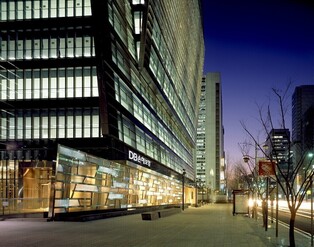
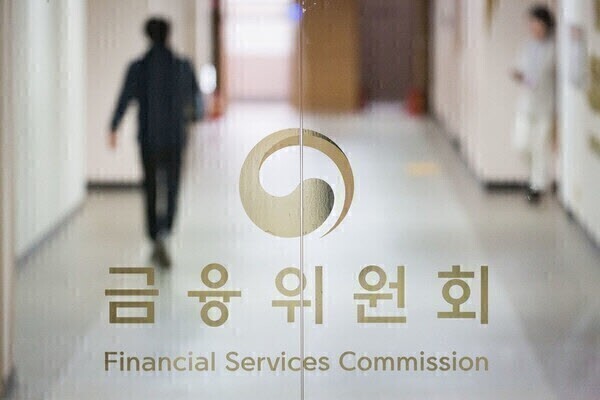
Photo: Financial Services Commission |
[Alpha Biz= Paul Lee] A decision on regulatory penalties against banks over the mis-selling of Hong Kong H-share equity-linked securities (ELS) has been delayed as legal disputes between financial authorities and banks continue.
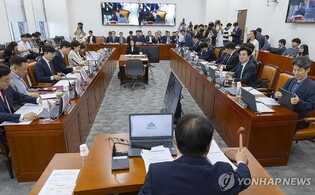
According to the financial industry on March 5, the Financial Services Commission (FSC) did not place the sanctions agenda involving five banks—KB Kookmin, Shinhan, Hana, NH NongHyup and Standard Chartered Korea— on the agenda of its regular meeting held the previous day.
The delay comes as banks continue to challenge the legal basis of the proposed sanctions, prolonging the explanation and review process with regulators.
Earlier, on Feb. 25, the Securities and Futures Commission (SFC) under the FSC reviewed the penalties related to the Hong Kong ELS issue. However, it failed to reach a conclusion due to ongoing legal debates between regulators and the banks and referred the matter to a subcommittee for further review.
The subcommittee continued discussions in meetings held on Feb. 26 and March 3, but the final penalty levels have yet to be determined.
The final decision is now expected to be made at the FSC’s regular meeting on March 18. Under the Financial Consumer Protection Act, which took effect in March 2021, the statute of limitations for imposing fines is five years, meaning the sanctions must be finalized within this month.
A key issue is whether the penalties will be reduced. The Financial Supervisory Service (FSS) previously proposed fines totaling 1.4 trillion to 1.5 trillion won for the five banks during a sanctions committee meeting held on Feb. 13.
Estimated fines by bank are reportedly:
KB Kookmin Bank: about 800 billion won
Hana Bank: 200–240 billion won
Shinhan Bank: 200–230 billion won
NH NongHyup Bank: 150–160 billion won
Standard Chartered Korea: 90–100 billion won
Banks have argued that the penalties are excessive and have requested reductions. Under amendments to the Financial Consumer Protection Act introduced in November last year, fines can be reduced by up to 50% if post-incident compensation efforts are recognized, and up to 75% if additional preventive measures are acknowledged.
Alphabiz Reporter Paul Lee(hoondork1977@alphabiz.co.kr)