

 |
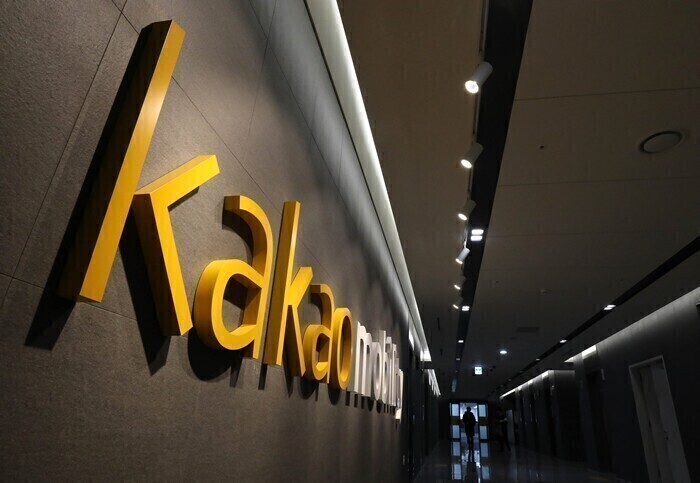
Photo = Kakao Mobility |
[Alpha Biz= Paul Lee] Kakao Mobility has come under renewed scrutiny from South Korea’s antitrust regulator, following a series of past controversies including allegations of preferential taxi dispatching and accounting irregularities. This time, the focus is on the chauffeur (designated driver) service market.
According to industry sources on Wednesday, the Korea Fair Trade Commission (KFTC) recently conducted an on-site investigation at Kakao Mobility’s headquarters in Pangyo, Seongnam, as part of a probe into alleged abuse of market dominance in the chauffeur service sector.
The investigation was triggered by a complaint filed by a drivers’ union. In October last year, the Designated Drivers’ Union under the Korean Confederation of Trade Unions held a press conference in front of Kakao Mobility’s headquarters, accusing Kakao Mobility and its subsidiary CMNP—operator of the chauffeur app Callmaner—of exploiting drivers through unfair business practices.
The union claims that commission rates for chauffeur drivers, which can reach up to 20%, are excessively high compared to the 2.8% commission charged to taxi drivers. It also alleges that CMNP profits from selling insurance products and Kakao T coupon packages, while forcing drivers to subscribe to paid dispatch services, provide personal data, and bear unfair insurance costs.
Kakao Mobility has repeatedly been embroiled in controversy. The company was previously fined heavily for manipulating its dispatch algorithm to favor its franchise taxis, Kakao T Blue. It also faced investigation over allegedly overstating revenue from its taxi franchise business ahead of a planned initial public offering. More recently, executives including CEO Ryu Geung-seon were indicted without detention for blocking ride calls to drivers who refused to provide fee or operational data.
Concerns extend beyond Kakao Mobility to other Kakao affiliates. Kakao Pay was sanctioned for transferring customers’ personal credit information to China’s Alipay without consent. The Kakao Group has also been criticized for aggressive expansion into small-business sectors, allegations of technology misappropriation involving SMEs, and a loss of public trust after Kakao Pay executives sold large volumes of stock options shortly after the company’s listing.
Alphabiz Reporter Paul Lee(hoondork1977@alphabiz.co.kr)