

 |
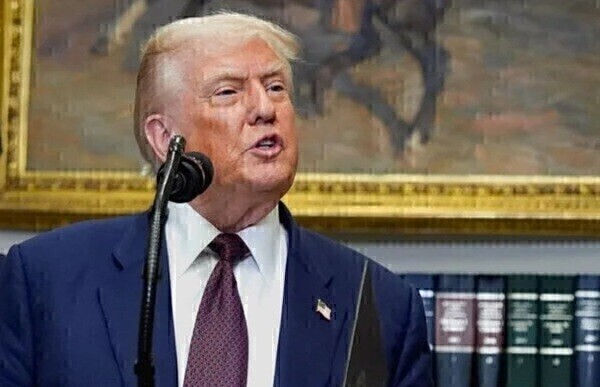
Donald Trump, President of the United States. (Photo: Yonhap News Agency) |
[Alpha Biz= Kim Jisun] The United States and Iran are set to hold a critical second round of ceasefire negotiations on April 22 (local time) in Islamabad, Pakistan, as a two-week truce nears expiration, with tensions escalating over nuclear demands and control of key maritime routes.
U.S. President Donald Trump has increased pressure via social media, accusing Iran of "repeated ceasefire violations." Meanwhile, both nations remain locked in a high-stakes "chicken game" over the dismantling of Iran's nuclear program and control of the strategic Strait of Hormuz.
Nuclear Disarmament vs. Sovereign Ambitions
The central conflict of the talks remains Iran’s nuclear capabilities. President Trump told reporters on April 21, "The goal is simple: ensuring Iran never acquires a nuclear weapon," while pushing for terms far more stringent than the 2015 JCPOA.
According to reports from the Wall Street Journal (WSJ), the U.S. is demanding:
The complete transfer of all enriched uranium out of Iranian territory.
A guaranteed 20-year moratorium on all nuclear activities.
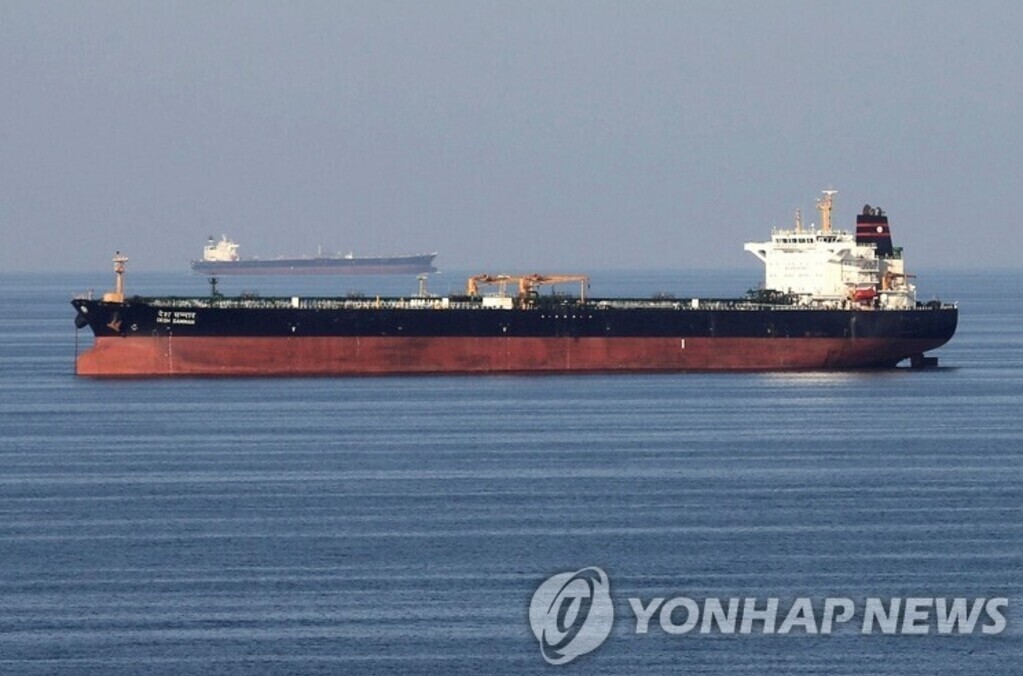 |
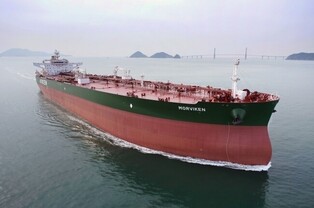
An oil tanker transiting the Strait of Hormuz. (Photo: Yonhap News Agency) |
In contrast, Tehran has proposed a significantly shorter suspension of three to five years and insists on diluting enriched uranium domestically. The Islamic Revolutionary Guard Corps (IRGC) continues to advocate for "nuclear potential" as a necessity for survival, reportedly narrowing the diplomatic maneuverability of the Iranian delegation.
The Battle for the Strait of Hormuz
Economic warfare is also intensifying at sea. Iran is pushing legislation to impose a "transit fee" of up to $2 million per vessel passing through the Strait of Hormuz. In a retaliatory move, President Trump has provocatively dubbed the area the "Trump Strait," mobilizing the U.S. Navy for a counter-blockade operation.
Experts suggest Iran aims to secure $100 billion annually in war funds through these fees, though the actual collection rate remains negligible. Nevertheless, Tehran intends to use the maritime threat as leverage to force the lifting of naval blockades.
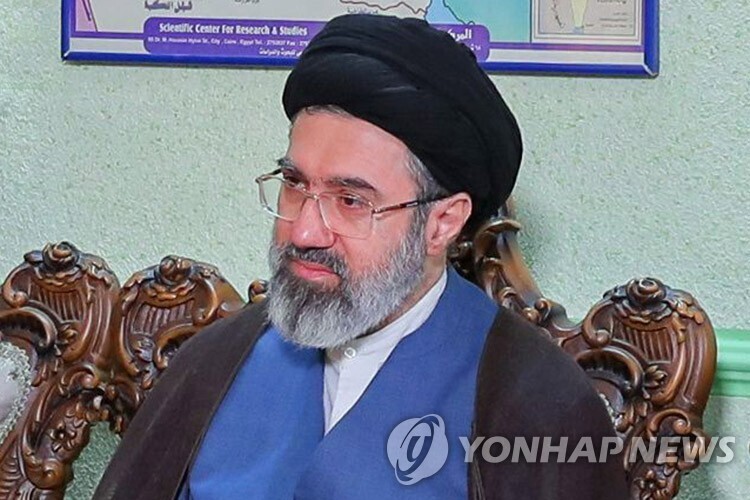 |
Mojtaba Khamenei, reported successor to Iran’s Supreme Leader. (Photo: AFP/Yonhap News Agency) |
Market Response and Potential Outcomes
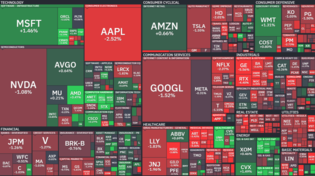
Despite the looming threat of conflict, global markets show a "learned insensitivity" to the geopolitical risk. Wall Street recently hit record highs, reflecting optimism that a deal will eventually be reached.
"Markets are focused on corporate earnings as energy prices remain stable," said Woo Ki-hoon, former Executive Vice President of KOTRA. "However, if talks fail and oil prices surge past $100 per barrel, a global recession becomes a very real threat."
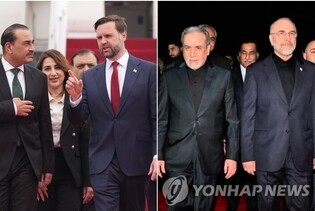
Foreign media outlets, including Axios, suggest that a "managed truce"—extending the ceasefire rather than a final peace treaty—is the most likely outcome. The meeting between U.S. Vice President J.D. Vance and the Iranian delegation in Islamabad is expected to be a watershed moment for the future of Middle Eastern stability.
Alphabiz Reporter Kim Jisun(stockmk2020@alphabiz.co.kr)