

 |
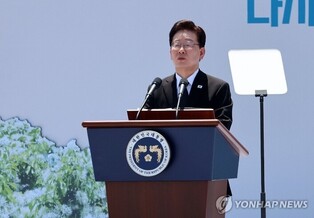
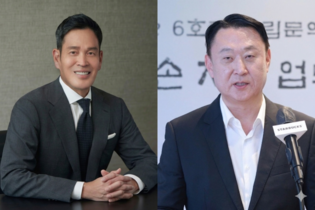
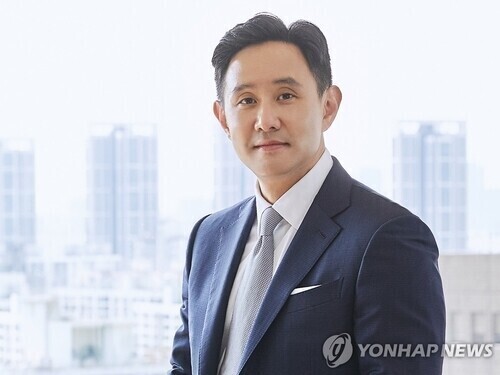
Chairman Choi Yun-bum of Korea Zinc (Photo = Yonhap News Agency) |
[Alpha Biz= Kim Jisun] At the annual general meeting of Korea Zinc, shareholders approved a revision to the company’s executive severance compensation policy, effectively halting the longstanding practice of accumulating outsized retirement benefits for honorary chairmen.
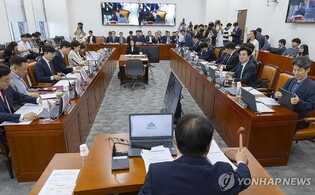
According to the financial investment industry on March 25, a shareholder proposal submitted by Young Poong and MBK Partners to amend the executive severance payment rules was passed at Korea Zinc’s annual general meeting held on March 24. The key change explicitly excludes “honorary chairman” from the definition of “chairman” eligible for severance benefits.
Under the previous policy, Korea Zinc applied a payout multiple of four times annual compensation per year of service to chairman-level positions, including honorary chairmen. This exceeded the typical severance multiple for CEOs at listed companies, which generally ranges between two and 2.5 times. Honorary chairmen were also reported to receive annual compensation exceeding KRW 2 billion—more than double that of the company’s CEO—prompting criticism over excessive remuneration practices.
With the amendment, further accrual of retirement benefits for honorary chairmen Choi Chang-young and Choi Chang-geun will be discontinued.
The practice had drawn criticism in the market as a sign of weak corporate governance, with concerns that members of the founding family retained honorary titles while receiving substantial compensation and retirement benefits without bearing operational responsibility.
During the shareholder meeting, most domestic and global proxy advisory firms—including Institutional Shareholder Services—as well as major institutional investors such as National Pension Service, supported the proposal from Young Poong and MBK Partners.
Market observers noted that the passage of the proposal marks meaningful progress in improving Korea Zinc’s corporate governance. The board of directors has been restructured to include five members aligned with Young Poong and MBK Partners, one member representing U.S. government interests, and eight members aligned with Chairman Choi Yun-bum. The changes are expected to enhance oversight and checks on management.
In addition, the company has adopted a comprehensive fiduciary duty framework requiring directors to act in the best interests of all shareholders, and has improved board convening procedures to ensure more effective governance.
Alphabiz Reporter Kim Jisun(stockmk2020@alphabiz.co.kr)