

 |
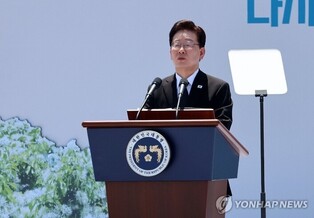
Photo courtesy of Yonhap News |
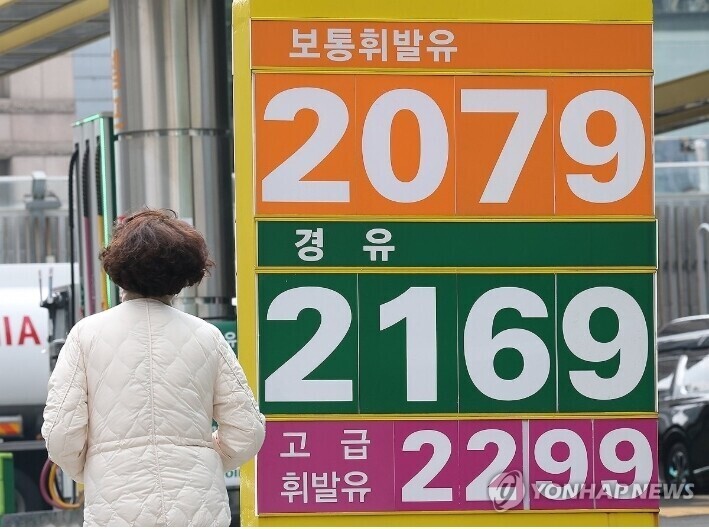
[Alpha Biz= Kim Jisun] South Korea’s oil refining industry is facing mounting pressure as domestic fuel prices surge rapidly following the outbreak of conflict in the Middle East.
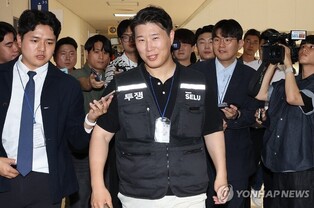
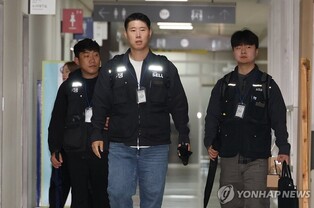
On June 9, the Korea Fair Trade Commission (KFTC) said it has launched on-site investigations into four major refiners—SK Energy, GS Caltex, S-Oil, and Hyundai Oilbank—over suspected collusion in petroleum product pricing.
The probe comes after Lee Jae-myung ordered strict enforcement against illegal practices such as price collusion, hoarding, and market manipulation by refiners and gas stations.
“Any illegal activities including collusion, hoarding, or speculative stockpiling must be thoroughly investigated, and violations should face strict penalties several times the illicit gains,” Lee said earlier.
Typically, increases in international oil prices take two to three weeks to be reflected in domestic fuel prices. However, after the outbreak of war involving the United States, Israel, and Iran, domestic prices spiked unusually quickly, raising suspicions that refiners may have raised prices preemptively to boost profits.
With the antitrust watchdog launching a probe, refiners are under intense scrutiny.
An industry official told Alpha Biz that the surge in wholesale prices was driven by a sudden spike in demand from gas stations and consumers seeking to secure fuel amid supply concerns caused by the war.
Another refinery official said the companies would cooperate with the investigation, but stressed that pricing decisions are made independently by each company based on business judgment, denying any collusion.
As the president has even mentioned the possibility of introducing a maximum fuel price system, analysts expect refiners may attempt to limit price increases voluntarily as a form of burden sharing.
Some observers say refiners could launch initiatives such as setting domestic supply prices below the increase in Singapore benchmark oil product prices or temporarily freezing prices as part of a “fair fuel price” campaign.
However, industry experts warn that if the government revives the maximum price notification system for petroleum products, a policy largely dormant since the 1997 Asian financial crisis, it could trigger strong resistance from the refining sector.
Alphabiz Reporter Kim Jisun(stockmk2020@alphabiz.co.kr)