

 |
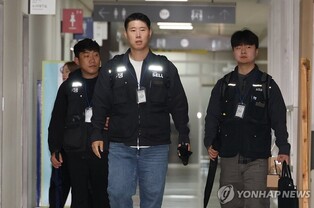
Photo courtesy of Yonhap News |
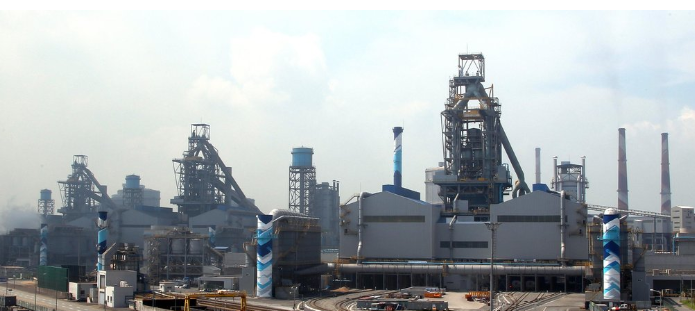
[Alpha Biz= Kim Jisun] Labor unions at POSCO and Hyundai Steel have formed an unprecedented alliance, declaring the current downturn in the steel industry a “national industrial security emergency” and calling for urgent government intervention.
At a joint press conference held at the National Assembly on March 19, the POSCO Labor Union under the Federation of Korean Metalworkers’ Trade Unions (FKMTU) and the Hyundai Steel branch of the Korean Metal Workers’ Union (KMWU) stated that “South Korea’s steel industry is facing a complex crisis on the brink of collapse.”
The joint action marks the first time unions affiliated with the country’s two major labor federations have cooperated across corporate and ideological lines. It is being viewed as a symbolic sign that the steel industry’s challenges have expanded beyond individual companies to threaten the broader national economy.
The unions identified multiple headwinds facing the sector, including weakening global demand and oversupply, surging industrial electricity costs, tightening carbon regulations, and rising oil prices and exchange rates.
They emphasized that steel serves as a foundational industry for sectors such as defense, automotive, shipbuilding, and construction, warning that a collapse in the steel industry would trigger a cascading impact across the entire manufacturing base.
Kim Sung-ho, head of the POSCO union, said, “This is not a typical economic downturn but a crisis that threatens the very foundation of our manufacturing sector and national security,” adding that the unprecedented unity among unions reflects the severity of the situation.
Song Jae-man, head of the Hyundai Steel union branch, warned that rising electricity costs and the burden of transitioning to carbon neutrality are already leading to plant closures and job insecurity, stressing that preemptive government support is now a matter of survival.
The unions called on the government to take immediate measures, including easing industrial electricity costs, reforming the carbon emissions trading system to better reflect industry realities, and providing support for green transition technologies such as hydrogen-based steelmaking.
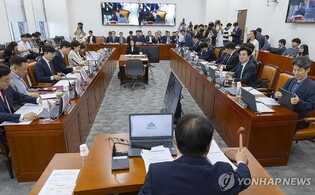
Lawmakers from both the ruling People Power Party and the opposition Democratic Party also attended the event, underscoring the need for bipartisan action.
Rep. Lee Sang-hwi of the People Power Party stated that the joint stance by the two major labor groups demonstrates that the steel industry crisis has reached a national security level, calling for not only legislative action but also concrete policy implementation.
Rep. Kwon Hyang-yeop of the Democratic Party similarly noted that the industry is losing competitiveness amid global oversupply and economic slowdown, urging more proactive support across energy and industrial policies.
The unions said they will continue joint efforts to push for policy changes aimed at elevating the steel industry as a core pillar of national industrial security.
Alphabiz Reporter Kim Jisun(stockmk2020@alphabiz.co.kr)