 |
Photo: Korea Zinc |
[Alpha Biz= Kim Jisun] U.S. Commerce Secretary Howard Lutnick described Korea Zinc’s planned smelter investment in Tennessee as a “huge win for the United States,” underscoring Washington’s view that the project allows the U.S. to secure capital, critical mineral resources, and advanced technology all at once. Critics note, however, that while the project is a U.S.-led security initiative designed to benefit American strategic interests, much of the financial risk has been shifted onto Korea Zinc—raising concerns over what has been described as a fundamentally uneven playing field.
According to regulatory filings on the 16th, the U.S. Department of Defense required guarantees totaling KRW 4.41 trillion for loans amounting to KRW 3.45 trillion, implying a guarantee ratio of 128%. By comparison, private lenders including JPMorgan demanded a guarantee ratio of 106%.
In addition, while private investors sought guarantees covering the five-year construction period through the plant’s completion in 2030, the U.S. government required guarantees extending for 15 years—through 2040—to account for potential operational risks even after the smelter becomes operational.
As a result, Korea Zinc will assume contingent liabilities of KRW 8.3931 trillion, equivalent to approximately 110% of its equity capital. In general, guarantees exceeding 100% of equity are widely viewed as a potential trigger for credit rating downgrades.
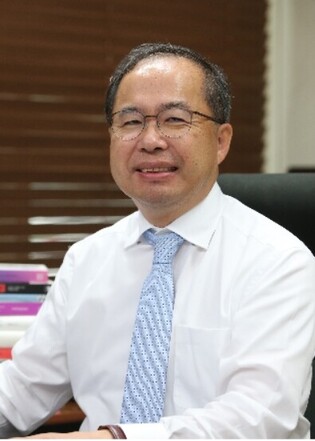
Against the backdrop of an ongoing management control dispute with MBK Partners, critics argue that Korea Zinc Chairman Choi Yoon-bum may have placed an excessive financial bet on the company’s balance sheet and future assets in an effort to secure the U.S. government as a powerful strategic ally.
Alphabiz Reporter Kim Jisun(stockmk2020@alphabiz.co.kr)