

 |
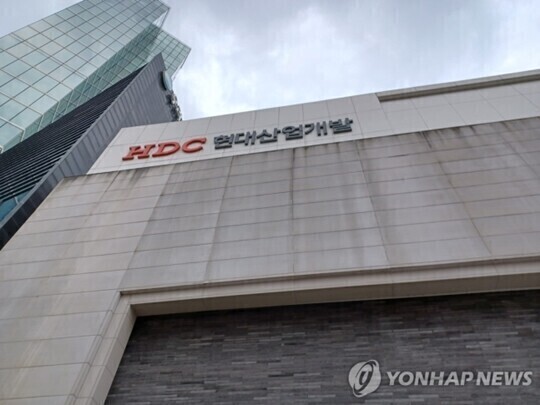
Photo courtesy of Yonhap News |
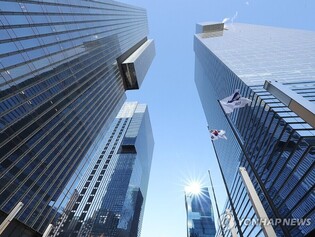
[Alpha Biz= Kim Jisun] SEOUL, June 1, 2026 — South Korean prosecutors have launched an investigation into HDC over allegations that it provided de facto interest-free financial support to its affiliate, HDC I-Park Mall, through a large-scale lease deposit arrangement.
The Seoul Central District Prosecutors’ Office recently assigned the case to its criminal division, which is examining potential violations of the Fair Trade Act based on a referral from the Korea Fair Trade Commission.
At the center of the probe is a KRW 36 billion ($26 million) lease deposit transaction. Prosecutors are reviewing whether the deal went beyond the scope of a standard lease agreement and effectively functioned as indirect financial support to the affiliate, as well as the execution of funds and internal decision-making processes.
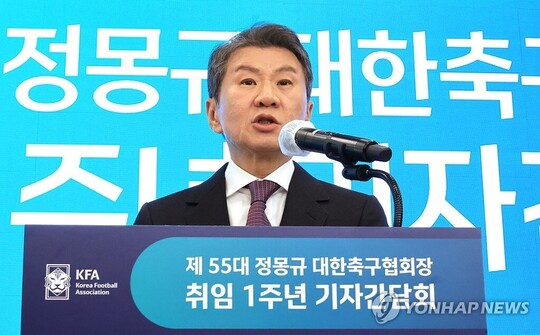
In April, the Fair Trade Commission determined that the transaction constituted unfair intra-group support and imposed corrective measures along with fines totaling KRW 17.13 billion on HDC. The regulator filed a complaint against the company but excluded Chairman Chung Mong-gyu and other individuals.
HDC I-Park Mall, which operates a large mixed-use retail complex in Seoul’s Yongsan district, had struggled financially in its early years due to weak commercial demand and an underdeveloped retail environment. By 2005, the company had fallen into full capital impairment after recording significant operating and net losses.
In March 2006, amid funding difficulties, HDC leased part of the mall by providing a KRW 36 billion deposit, while simultaneously signing a separate management agreement allowing the affiliate to retain operational control and share in store revenues. Authorities believe the structure enabled the affiliate to retain the deposit over an extended period, as rental payments and management fees were largely offset.
Between 2006 and June 2020, the affiliate paid HDC an average of KRW 105 million annually, implying an effective interest rate of around 0.3%, far below market levels. South Korea’s tax authority had previously classified the arrangement as an indirect loan and imposed taxes in 2018.
Meanwhile, concerns are growing over resource constraints within prosecutorial units handling fair trade cases. The specialized division at the Seoul Central District Prosecutors’ Office has been managing multiple large-scale investigations, but limited staffing has led to an increasing number of cases being reassigned to other departments, raising concerns about potential delays in complex antitrust investigations.
Alphabiz Reporter Kim Jisun(stockmk2020@alphabiz.co.kr)