

 |
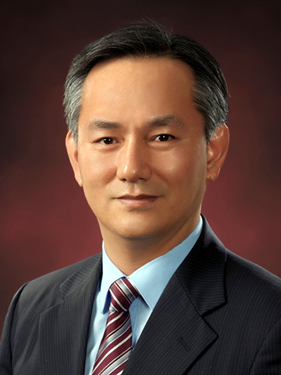
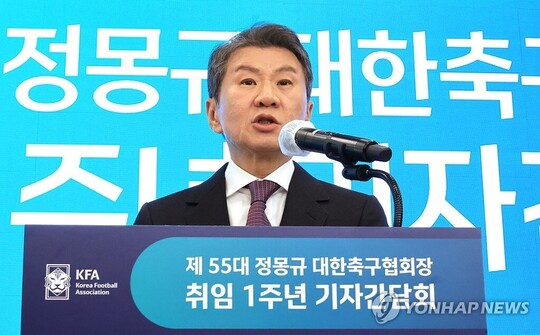
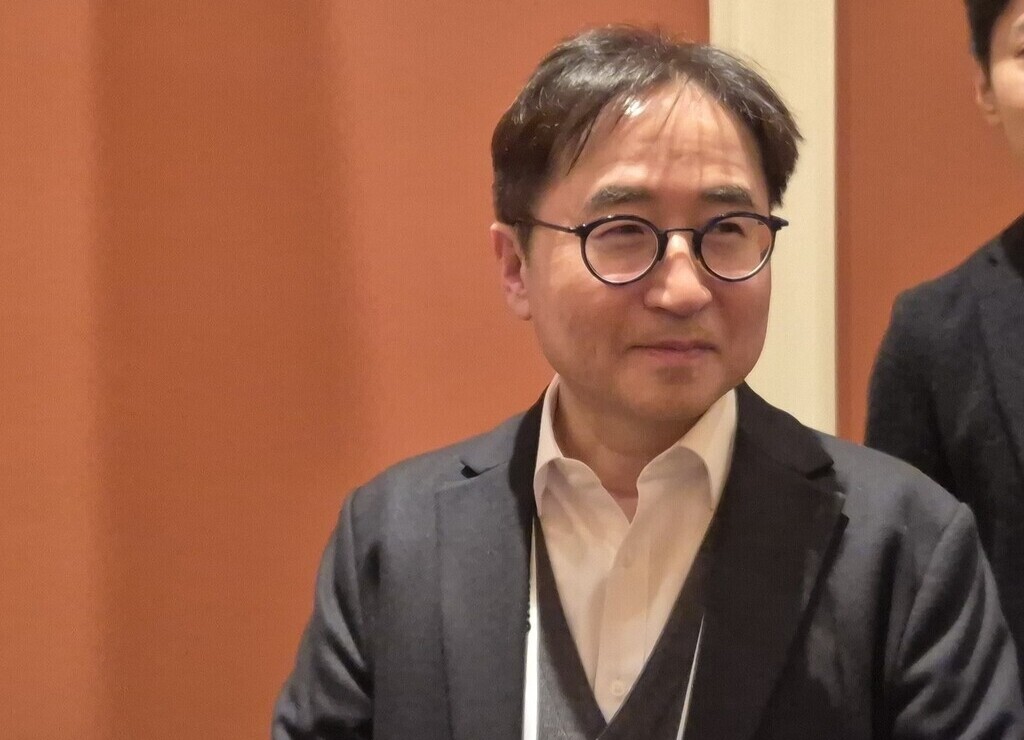
Jang Deok-hyun, Chief Executive Officer of Samsung Electro-Mechanics (Photo courtesy of Yonhap News) |
[Alpha Biz= Kim Jisun] SEOUL, June 1, 2026 — Shares of Samsung Electro-Mechanics and LG Innotek have surged sharply amid accelerating demand from the artificial intelligence (AI) semiconductor market, driven by both strong earnings momentum and robust long-term growth prospects.
Samsung Electro-Mechanics’ stock more than doubled this month, closing at KRW 2.127 million on May 29, while LG Innotek hit an all-time intraday high of KRW 1.474 million on the same day.
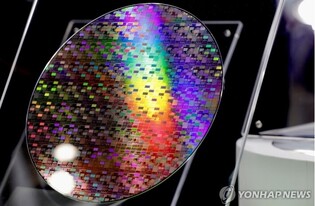
The rally is underpinned by surging demand for key components used in AI servers, including multilayer ceramic capacitors (MLCC) and flip-chip ball grid array (FC-BGA) substrates, as next-generation AI accelerators require higher performance and power efficiency.
Samsung Electro-Mechanics is seen as a major beneficiary of the AI chip boom, with demand for its core products significantly outpacing supply. Industry estimates suggest MLCC demand exceeds production capacity by over 30%, while FC-BGA demand surpasses capacity by more than 50%. The company’s MLCC lines are already operating at full capacity, with FC-BGA utilization expected to reach 100% by the third quarter.
MLCCs—often referred to as the “rice of the electronics industry”—are essential components in AI servers, where thousands to tens of thousands of high-spec units are required per system. Tight supply conditions have also strengthened pricing power.
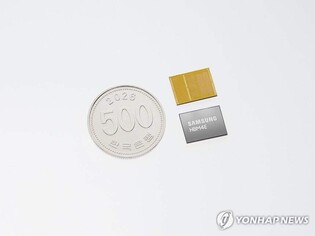
The company is expanding capacity to meet demand, including a KRW 1.8 trillion investment in its Vietnam FC-BGA plant. It has also secured a KRW 1.5 trillion supply agreement for silicon capacitors with a major global client. These components are used in high-performance semiconductor packages such as GPUs and high-bandwidth memory (HBM) to ensure stable power delivery.
LG Innotek is likewise positioning FC-BGA as a key growth driver. While its revenue base remains centered on smartphone camera modules, the company is accelerating expansion into its package solutions business, which includes semiconductor substrates.
In the first quarter, LG Innotek’s package solutions segment posted revenue of KRW 437.1 billion, up 16% year-on-year, with operating profit rising 31% to KRW 37.7 billion. The operating margin improved to 8.6% from 7.6% a year earlier.
The company is expected to deepen its presence in AI server supply chains, including FC-BGA shipments to major tech firms such as Intel.
Beyond semiconductors, both companies are targeting emerging opportunities in robotics, particularly humanoid systems. Samsung Electro-Mechanics plans to begin mass production of vision components for humanoid robots in the second half of the year and expand into actuator technologies. LG Innotek is also expected to supply vision sensing modules to leading robotics firms, including Figure AI, Boston Dynamics, and Tesla.
According to market consensus data compiled by FnGuide, Samsung Electro-Mechanics is forecast to post KRW 13.4 trillion in revenue and KRW 1.59 trillion in operating profit this year, up 18.5% and 73.9%, respectively. LG Innotek is expected to record KRW 24.3 trillion in revenue and KRW 1.10 trillion in operating profit, marking increases of 10.9% and 65.9%.
If realized, both companies would surpass KRW 1 trillion in annual operating profit for the first time since 2022, underscoring the strong tailwinds from the AI-driven semiconductor cycle.
Alphabiz Reporter Kim Jisun(stockmk2020@alphabiz.co.kr)