

 |
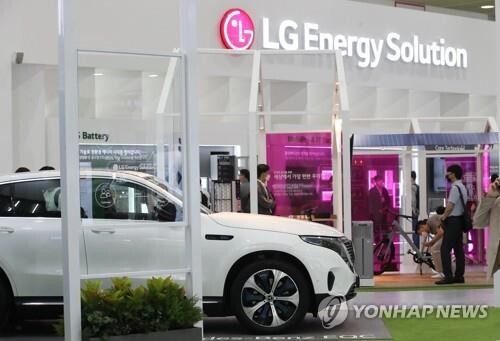
Photo courtesy of Yonhap News |
[Alpha Biz= Paul Lee] SEOUL, June 1, 2026 — South Korea’s battery industry is expected to pass its earnings trough in the second quarter, as rising demand from AI-driven data centers offsets a slower-than-expected recovery in the electric vehicle (EV) market.
According to market consensus data, LG Energy Solution is projected to post KRW 7.03 trillion in revenue and KRW 196.5 billion in operating profit in the second quarter, marking a sharp improvement from a year earlier. Growth is being supported by advanced manufacturing production tax credits (AMPC) in North America and strong performance in its energy storage system (ESS) business.
The ESS segment is gaining fresh momentum from data center-related demand. LG Energy Solution’s U.S. subsidiary, Vertech, recently signed a $1.6 billion (7.2 GWh) battery energy storage system (BESS) supply agreement with DTE Energy to support power demand from an Oracle data center. The facility is expected to be used for OpenAI workloads, positioning LG Energy Solution’s batteries as a key component of global AI infrastructure.
Analysts expect the ESS division to turn profitable in the second half, excluding tax credit effects, as additional data center-related orders materialize. Market observers also point to strong order momentum, with a large portion of the company’s annual target of 90 GWh expected to be secured in the latter half of the year.
Samsung SDI is also expected to significantly narrow its losses. Second-quarter revenue is forecast at KRW 3.66 trillion, up 15.2% year-on-year, while operating losses are projected to shrink to KRW 83.2 billion, from KRW 464.2 billion a year earlier.
The improvement is driven by growing demand for backup battery units (BBU) and uninterruptible power supply (UPS) systems used in AI data centers. These high-value products command significantly higher pricing, contributing to improved profitability within the ESS segment.
Looking ahead, the industry outlook is turning more positive. LG Energy Solution is forecast to post annual revenue of KRW 30.7 trillion and operating profit of KRW 1.17 trillion this year, while Samsung SDI is expected to achieve revenue growth of 25.5% and return to profitability by 2027.
Market dynamics are also evolving, with ESS demand expanding beyond renewable energy integration to include fossil fuel-based power systems that require fine output control—particularly for data centers. This shift is expected to significantly expand the total addressable market for ESS.
Meanwhile, a rebound in global EV demand could arrive sooner than previously expected. Rising oil prices, driven by geopolitical tensions, are expected to accelerate EV adoption by improving cost competitiveness, with global EV penetration projected to rise faster than earlier forecasts.
However, SK On is expected to remain in the red for the time being, weighed down by high fixed costs from North American investments and inventory adjustments by customers.
Alphabiz Reporter Paul Lee(hoondork1977@alphabiz.co.kr)