

 |
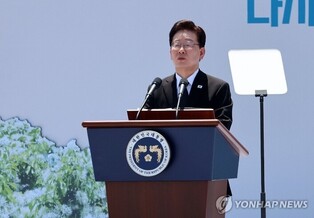
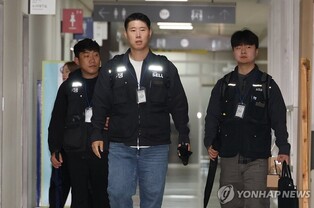
Photo courtesy of Yonhap News |
[Alpha Biz= Kim Young Taek] Hyosung Heavy Industries, which has been indicted in connection with an alleged KRW 670 billion bid-rigging scheme involving Korea Electric Power Corporation (KEPCO), once again denied the prosecution’s allegations during a pretrial hearing.
Other major companies indicted in the case—including HD Hyundai Electric, LS Electric, and Iljin Electric—also maintained their position of denying all charges.
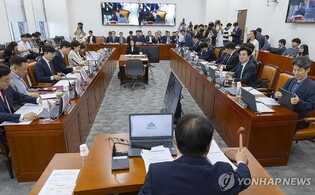
The Seoul Central District Court’s Criminal Agreement Division 32 (Presiding Judge Ryu Kyung-jin) held a preparatory hearing on March 27 for the four companies and their executives, who have been charged with violating the Monopoly Regulation and Fair Trade Act.
During the session, the court reviewed written opinions and organized evidence in preparation for the full trial proceedings.
Counsel for Hyosung Heavy Industries argued that “the indictment fails to specify even the time and place of the alleged collusion agreement,” adding that “it is unreasonable to characterize individual bidding cases as part of a single, continuous and comprehensive agreement.”
Iljin Electric also contested parts of the factual allegations, emphasizing that attorney-client privilege was violated during the seizure and search process, thereby undermining the admissibility of certain evidence.
Prosecutors allege that the four companies colluded in 145 tenders for gas-insulated switchgear (GIS) projects issued by KEPCO between March 2015 and September 2022, prearranging winning bidders and bid prices. The prosecution maintains that the companies—holding approximately 90% of the relevant market—led the collusion and generated illicit profits.
The court has instructed the prosecution to reorganize its list of evidence related to collusion and embezzlement and to submit previously unclassified materials in a more detailed format.
The next hearing is scheduled for May 6, when witness examinations requested by the prosecution are expected to begin.
Han Chi-ho, an economic commentator and Ph.D. in public administration, told AlphaBiz that “the KRW 670 billion involved is not merely corporate revenue but taxpayer money allocated for national infrastructure,” warning that “illicit gains from collusion ultimately lead to deteriorating public services and a weakened national economy.”
He added, “This is not an issue that can be resolved with minor fines. Without firm judicial action, it risks setting a dangerous precedent that collusion remains profitable.”
Alphabiz 김영택 기자(sitory0103@alphabiz.co.kr)