

 |
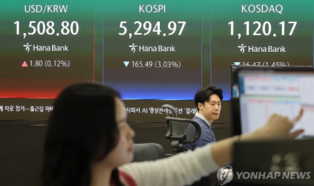
Photo courtesy of Yonhap News |
[Alpha Biz= Kim Jisun] Rising geopolitical risks in the Middle East are fueling concerns over naphtha supply instability, triggering early signs of packaging shortages across the food manufacturing and restaurant sectors. Industry players warn that prolonged disruptions could go beyond shipment delays and potentially lead to factory shutdowns.
According to industry sources on March 29, uncertainty surrounding naphtha supply has intensified, with concerns mounting over raw material shortages. While the government is reportedly reviewing the possibility of importing naphtha from Russia, analysts note that heavy reliance on Middle Eastern sources makes it difficult to fully mitigate supply risks.
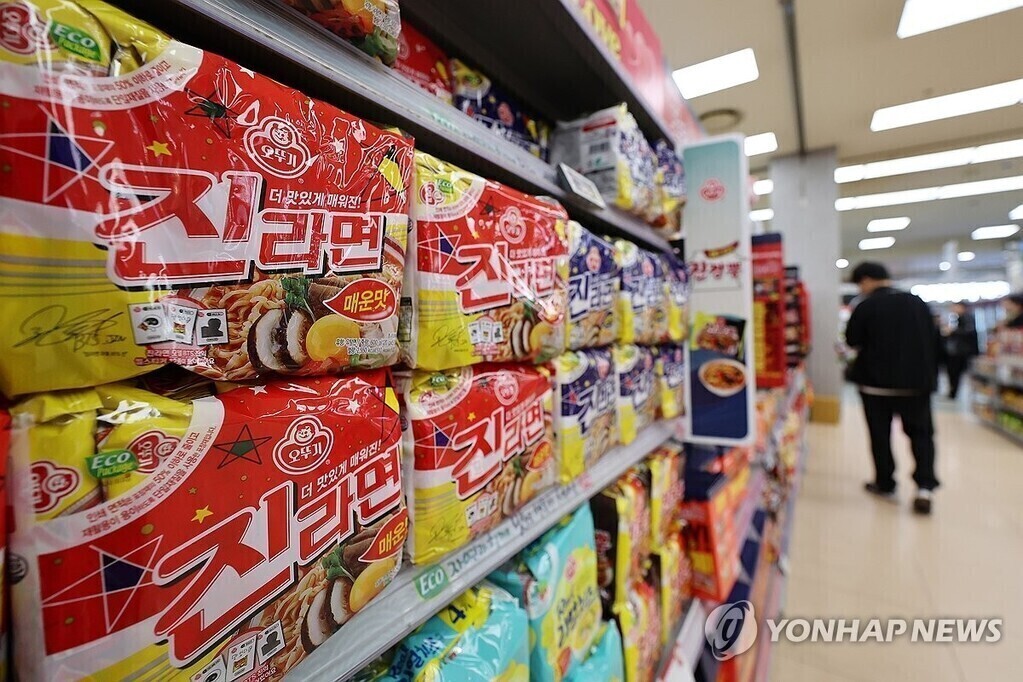
The food industry—particularly manufacturers of instant noodles and snacks—is expected to be among the hardest hit. Key packaging materials such as polypropylene (PP), polyethylene (PE), and polyethylene terephthalate (PET) are derived from naphtha. Current inventory levels are estimated to cover only one to three months, raising the likelihood of production disruptions if the situation persists.
In a worst-case scenario, depleted packaging inventories could force production halts. Such disruptions may lead to product shortages, panic buying, and broader inflationary pressure driven by supply constraints.
The restaurant industry is also facing similar challenges. Polypropylene (PP), widely used in takeout and delivery containers, is likewise dependent on naphtha-based feedstock. With supply instability intensifying, securing sufficient packaging materials has become increasingly difficult. Some restaurant operators have already been notified by suppliers of delivery delays, reduced volumes, and price increases.
알파경제 Kim Jisun Reporter(stockmk2020@alphabiz.co.kr)