

 |
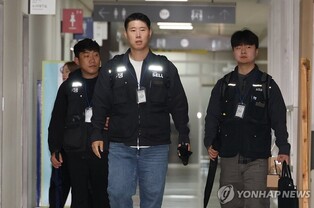
Photo courtesy of Yonhap News |
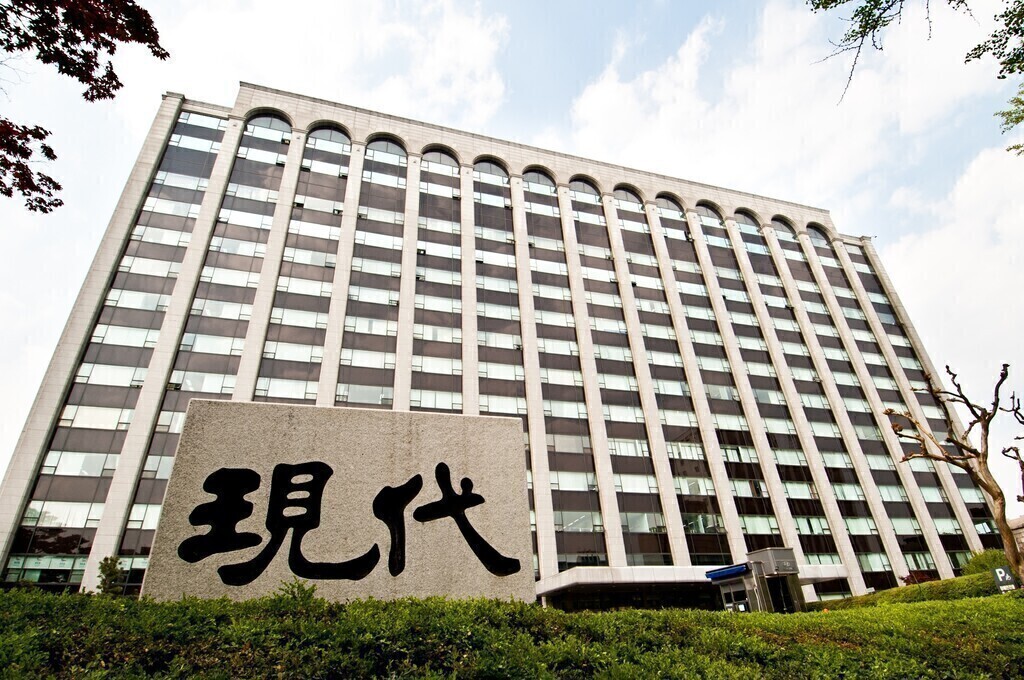
[Alpha Biz= Kim Joonhyun] A critical construction flaw has been uncovered at the Samsung Station complex transfer center on the GTX-A line, where Hyundai Engineering & Construction allegedly installed only half of the required main reinforcing bars in key structural pillars. The Seoul Metropolitan Government is also facing scrutiny for delaying disclosure of the issue for nearly six months.
According to the Ministry of Land, Infrastructure and Transport and the Seoul city government on May 15, the defect was identified at the B5-level construction site of the Samsung Station complex transfer center along the GTX-A route. Of 80 structural pillars, 50 were found to have been built with only one row of main reinforcing bars, instead of the two rows specified in the design.
The omission effectively halved the structural backbone of load-bearing columns, marking an unprecedented construction failure at a major national infrastructure project.
Hyundai E&C attributed the issue to human error, stating that a worker had overlooked the “two-bundle” notation in the design drawings, which specifies the placement of rebar in two rows. However, critics argue that such an explanation highlights a breakdown in on-site supervision and internal control systems, as the error went undetected despite multiple layers of oversight expected in a multi-trillion-won project.
The controversy has been further exacerbated by the Seoul city government’s delayed response. Authorities reportedly received the initial report of the missing rebar from Hyundai E&C in November last year but did not formally notify the central government until April 29—approximately six months later.
With the GTX-A Seoul–Suseo հատված scheduled for comprehensive test operations and official opening in June, suspicions are growing that the delay may have been an attempt to avoid public scrutiny and accountability ahead of the launch.
Both Hyundai E&C and Seoul city officials maintain that structural safety assessments indicate no immediate risk of collapse. As a remedial measure, they are considering reinforcement by attaching steel plates to the affected pillars.
Recognizing the gravity of the issue, the Ministry of Land, Infrastructure and Transport has launched a high-level audit into the Seoul city government and the Korea Rail Network Authority, citing concerns that go beyond construction errors to include reporting failures and possible concealment.
The ministry also stated it will not automatically accept the proposed steel plate reinforcement plan and will instead commission an independent review by certified external institutions to verify the adequacy of the safety measures.
Alphabiz Reporter Kim Jisun(stockmk2020@alphabiz.co.kr)