

 |
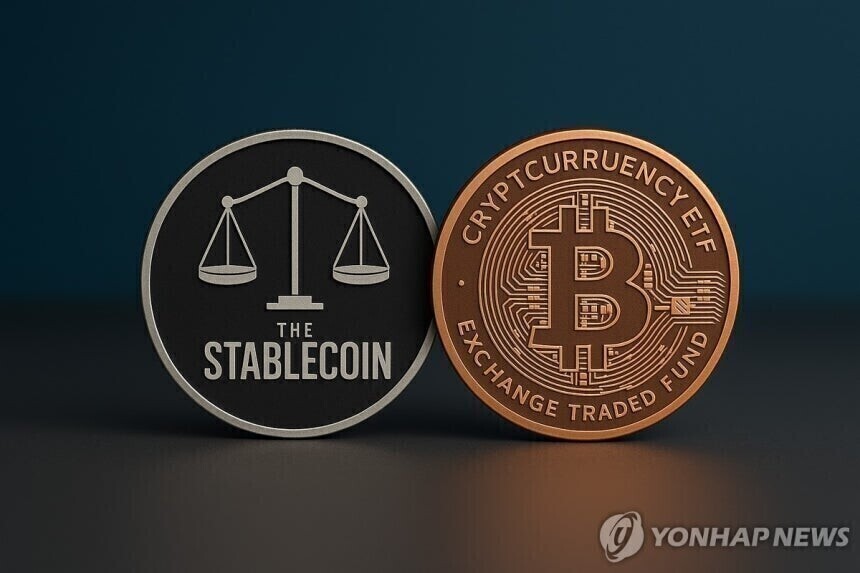
Photo courtesy of Yonhap News |
[Alpha Biz= Paul Lee] SEOUL, Dec. 9 — Most coin-market cryptocurrency exchanges in Korea are facing a severe downturn, with the majority now in a state of complete capital erosion. Amid tightening regulations and rising costs to maintain Virtual Asset Service Provider (VASP) licenses, potential buyers have all but disappeared—effectively shutting off “exit” opportunities for struggling operators.
An analysis by this newspaper of the latest fiscal-year financial statements disclosed on the Small Enterprise and Market Service (SEMAS) platform shows that 10 out of 11 domestic coin-market exchanges are fully capital impaired, with the exception of BoraBit (formerly Banko). As of last year, capital impairment ratios at some exchanges exceeded 7,800%.
BoraBit was the only exchange confirmed to have escaped capital impairment, recording total equity of KRW 2.04 billion against a paid-in capital of KRW 1 billion at the end of 2023.
As financial distress deepens, several exchanges have attempted to raise operating funds through additional capital injections. Poblegate, for example, carried out two paid-in capital increases totaling KRW 17 million in September and November.
Industry insiders note that some smaller exchanges lacking financial stability are seeking to sell their VASP licenses as an exit strategy. However, the likelihood of successful deals remains low.
One industry official said, “The ongoing discussions on stablecoin regulation are expected to accelerate broader digital asset regulation. With regulators maintaining a conservative stance on new VASP approvals, the value of existing licenses is rising.”
Under Korea’s Act on Reporting and Using Specified Financial Transaction Information, cryptocurrency exchanges must register with the Financial Intelligence Unit (FIU) as virtual asset service providers to operate legally. To date, 27 companies have completed registration.
For coin-market exchanges, the fixed costs required for licensing—such as staffing, security systems, and compliance infrastructure—remain significant. But with regulatory burdens increasing and prospects for capital recovery uncertain, attempts to sell or exit the business are becoming increasingly difficult.
Alphabiz Reporter Paul Lee(hoondork1977@alphabiz.co.kr)