

 |
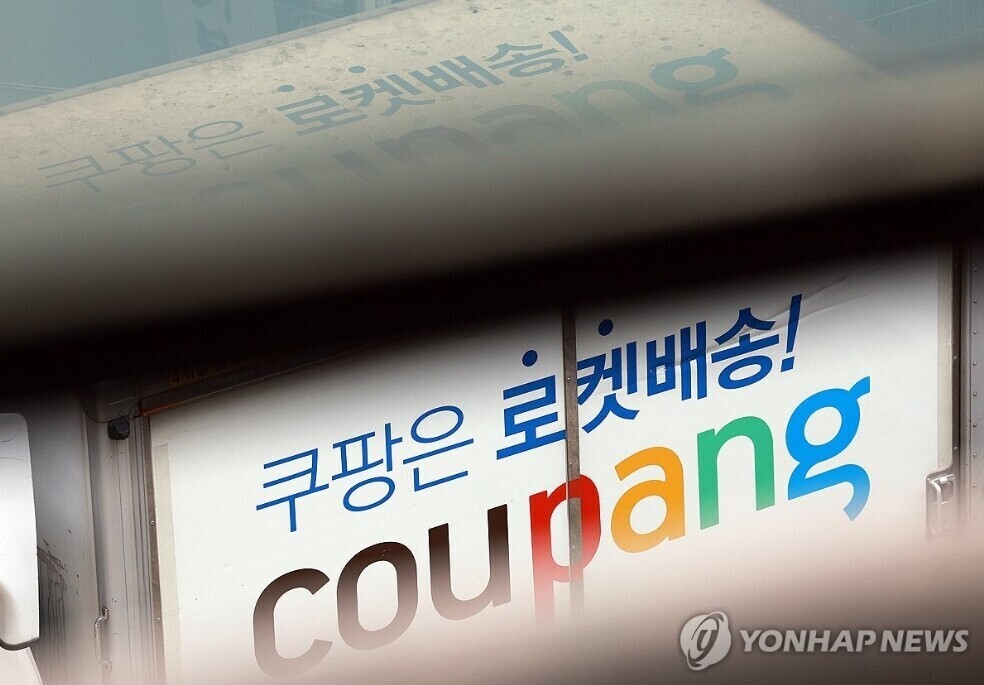
Photo courtesy of Yonhap News |
[Alpha Biz= Kim Jisun] Coupang has seen a sharp decline in card payment volumes in the month following its large-scale personal data breach, with daily card spending falling by an average of KRW 5.6 billion, according to analysis based on major credit card data.
The decline appears to reflect growing consumer dissatisfaction with Coupang’s passive and allegedly misleading response after the data breach was disclosed, prompting customers to either leave the platform altogether—a phenomenon dubbed “Tal-Pang,” or “Coupang exodus”—or significantly reduce their orders.
An analysis released on January 14, 2026, by the office of Rep. Cha Gyu-geun of the National Assembly’s Planning and Finance Committee (Rebuilding Korea Party), based on data submitted by the Financial Supervisory Service, examined Coupang payment records from KB Kookmin Card, Shinhan Card, and Hana Card. The data show that Coupang’s average daily card payment volume stood at KRW 73.10 billion between November 20 and December 31, 2025. This represents a 7.11% decline from the KRW 78.70 billion daily average recorded between November 1 and 19, just before the data breach was made public.
During the same period, an average of approximately KRW 5.6 billion in card sales disappeared each day. The average daily number of transactions also fell by 7.07%, from 2.53 million to 2.35 million.
A month-on-month comparison further highlights the downward trend. Coupang’s average daily payment volume in December 2025 declined by 5.16% compared with November. December is typically a peak sales period for major retailers due to year-end shopping demand, yet Coupang experienced a contraction instead.
Rep. Cha’s office noted that “Coupang’s long-standing growth formula—characterized by sharp increases in spending per customer and transaction frequency during the year-end season—appears to have effectively collapsed due to the data breach and the resulting erosion of consumer trust.”
The data breach became public on November 20, 2025, when Coupang reported the incident to the Personal Information Protection Commission. Public backlash intensified as Coupang referred to the incident as a “data exposure” rather than a “data breach,” offered compensation in the form of coupons usable only after re-registration, and as Coupang founder and de facto owner Bom Kim declined to appear before the National Assembly. These actions fueled perceptions that the company was misleading both regulators and consumers.
The resulting consumer backlash and platform exit are now reflected in actual transaction data from South Korea’s leading credit card companies, providing tangible evidence of the impact on Coupang’s business performance.
Alphabiz Reporter Kim Jisun(stockmk2020@alphabiz.co.kr)