

 |
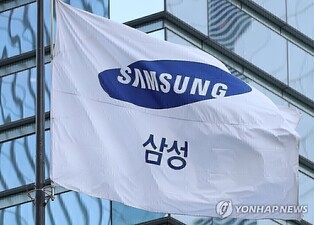
Photo courtesy of Yonhap News |
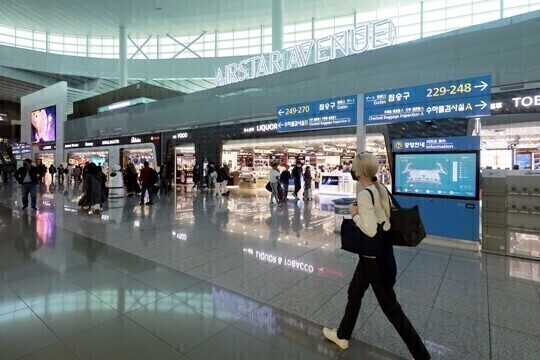
[Alpha Biz= Paul Lee] South Korea’s once-lucrative duty-free business has fallen sharply out of favor, with major operators now choosing to exit even at significant cost. Shinsegae Duty Free and Hotel Shilla have decided to withdraw from key concessions at Incheon International Airport, opting to pay 190 billion won in penalties rather than continue operations.
Industry officials cite changing consumer behavior as the main reason. Foreign shoppers have grown accustomed to cross-border online shopping, while travelers increasingly favor experience-based consumption, such as visiting local road shops and indie beauty brands, over luxury-focused duty-free stores. Persistently high exchange rates have also weakened the price appeal of duty-free shopping for Korean consumers.
Despite foreign tourist arrivals rebounding to a record 18.7 million last year, industry sales continued to decline, falling to 12.53 trillion won, down sharply from an average of 17.8 trillion won in 2021–2022.
Structural issues stemming from regulation have further eroded competitiveness. A 2013 policy limiting duty-free licenses to five years triggered excessive bidding wars and rising rental costs, while making it harder for operators to secure key global luxury brands.
In response, companies are seeking new strategies. Lotte Duty Free resumed transactions with Chinese daigou resellers after suspending them earlier, while others are focusing on loyal customers through exclusive K-beauty and K-food brands and improved offline experiences.
Alphabiz Reporter Paul Lee(hoondork1977@alphabiz.co.kr)