

 |
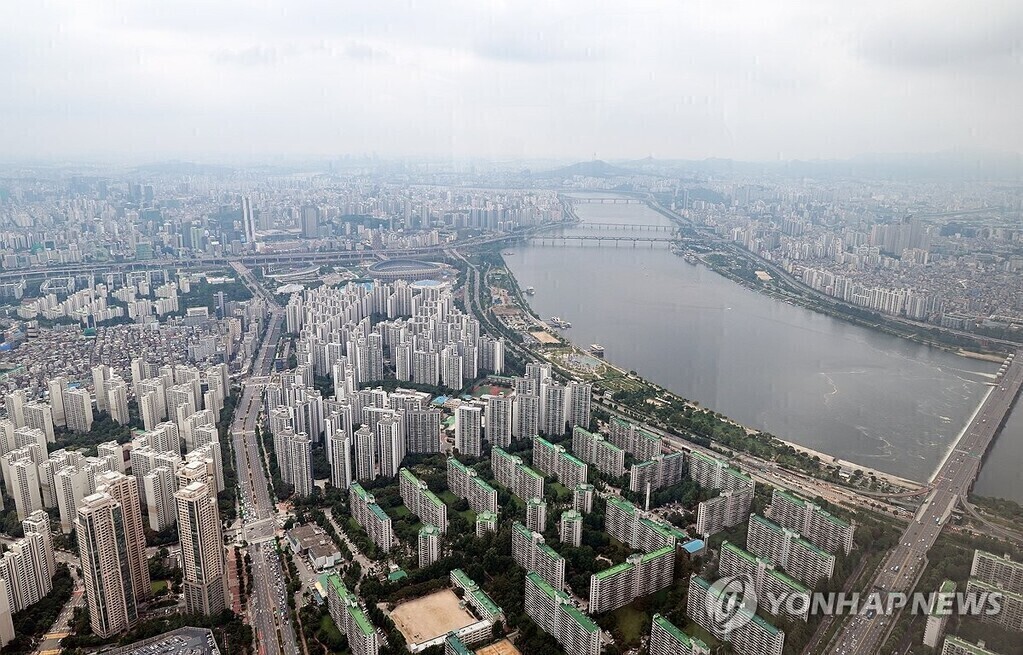
Photo courtesy of Yonhap News |
[Alpha Biz= Kim Jisun] Recent statistics show that prolonged unemployment and inactivity among Korean youth aged 20–30 are reaching unprecedented levels, with the number of those “just resting” without work or job search hitting record highs.
According to data from the National Data Office and the Korea Employment Information Service, last month a total of 1.589 million young adults fell into either the unemployed category within the labor force or the “resting” category among non-labor force participants—an increase of 28,000 from the previous year. Among these, 359,000 were classified as unemployed, up 22,000 from a year ago, while 719,000 were in the “resting” group, marking the highest level since statistics began in 2003.
Longer inactivity periods were associated with higher age and lack of prior work experience. A survey of 3,189 individuals aged 19–34 found that the average inactivity period was 22.7 months, with over half (58.8%) under two years. Among those inactive for more than a year with prior work experience, 63% remained unemployed rather than returning to employment. The Employment Information Service noted that extended inactivity increases the likelihood of returning to an unemployed state even for those with previous work experience, reflecting strong “state dependence.”
Financial pressures are compounding the problem. For households led by individuals under 39, the average monthly surplus—income remaining after taxes, interest, and essential living expenses—dropped 2.7% from the previous quarter to 1.243 million KRW. While monthly average income rose slightly to 5.036 million KRW, wage income fell 0.9% to 3.771 million KRW, and average monthly consumption increased 3.1% to 2.859 million KRW. Housing costs, including rent, rose 11.9% to 214,000 KRW, and interest payments surged 23.4% to 166,000 KRW.
Delayed labor market entry and prolonged inactivity are also postponing participation in the National Pension scheme, heightening long-term retirement vulnerability. The government plans to implement tailored support measures for “resting” youth early next year, considering their employment intentions and prior work experience.
알파경제 Kim Jisun Reporter(stockmk2020@alphabiz.co.kr)