

 |
Moody’s Investors Service. (Photo: Yonhap News Agency) |
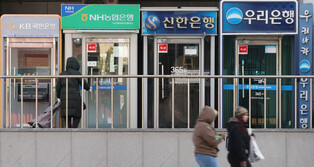
[Alpha Biz= Paul Lee] Moody’s Investors Service said South Korea maintains relatively tight financial regulations, while cautioning that risks tied to regional real estate and commercial property could weigh on bank asset quality.
Speaking at a banking outlook event in Seoul on May 19, Moody’s analyst Son Jung-min noted that Korea’s regulatory framework—particularly limits on household loan growth imposed on individual financial institutions—is stricter than in many other markets.
He added, however, that tighter regulation also implies stronger government willingness to provide support during periods of financial stress, making state backing a key factor in assessing the system.
Moody’s also highlighted potential downside risks from prolonged geopolitical tensions and elevated interest rates. Higher market rates, partly influenced by Middle East conflicts, could gradually feed into lending rates, increasing pressure on vulnerable borrowers and weakening asset quality.
In particular, the firm pointed to sluggish recovery in regional housing markets and mid-to-large commercial real estate segments as potential sources of strain for major banks.
The report further noted that government policies encouraging “productive and inclusive finance” could increase banks’ exposure to higher-risk corporate lending, including loans to small and medium-sized enterprises and lower-credit borrowers, potentially putting pressure on capital ratios.
However, Moody’s expects banks to actively manage their Common Equity Tier 1 (CET1) ratios by adjusting risk-weighted asset growth and focusing on higher-quality borrowers, which could help mitigate the overall impact on financial stability.
Alphabiz Reporter Paul Lee(hoondork1977@alphabiz.co.kr)