

 |
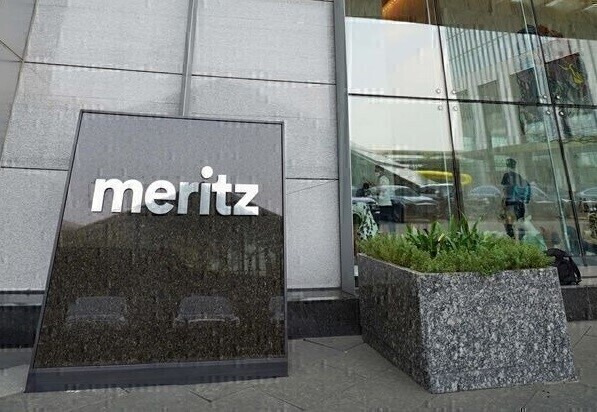
Photo courtesy of Meritz Securities |
[Alpha Biz= Paul Lee] Young Poong has raised the possibility of regulatory violations in connection with Meritz Securities’ use of a special purpose company (SPC) in the acquisition of Korea Zinc shares, arguing that while the deal appears to be a form of corporate financing on the surface, it may in substance constitute credit extension to individual shareholders.
As the largest shareholder of Korea Zinc, Young Poong said it “expresses serious concerns from the standpoint of capital market discipline and shareholder value” regarding the share acquisition structure involving Meritz Securities and an SPC, as identified through recent regulatory filings and media reports.
According to Young Poong, Meritz Securities designed a structure in which P23 Partners, an SPC with paid-in capital of KRW 1,200, acquired approximately 2% of Korea Zinc shares previously held by Bain Capital. The SPC is reportedly understood to have secured funding of around KRW 560 billion for the transaction.
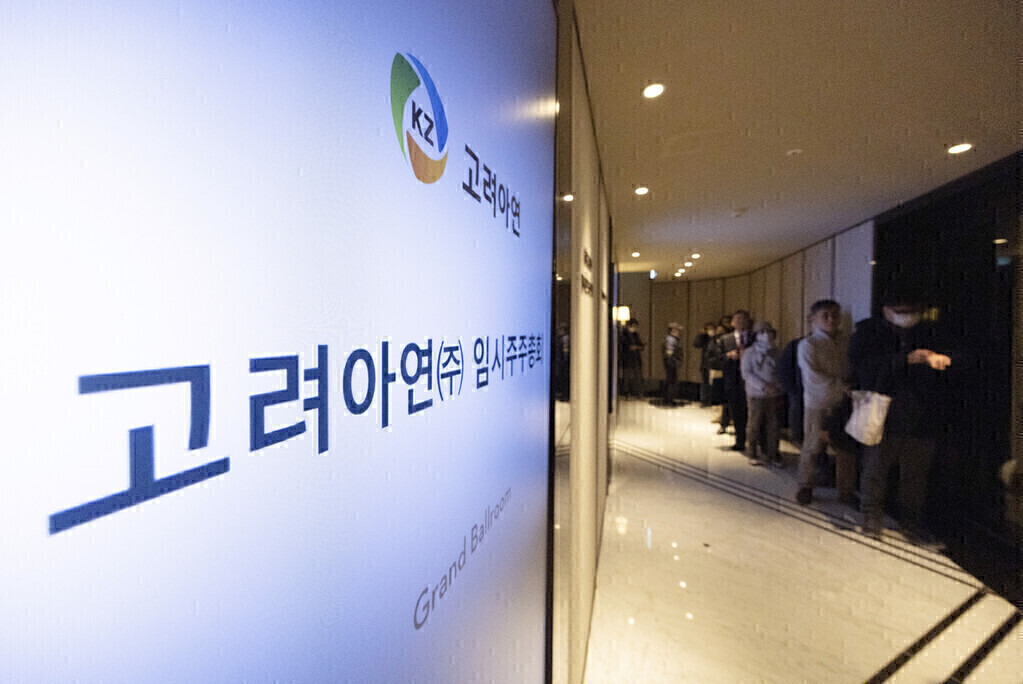 |
Photo Credit: Korea Zinc |
Young Poong further alleged that, in the process, individual shareholders from the Choi family, including Chairman Yoon-beom Choi, pledged a substantial amount of their personal shareholdings as collateral and are also believed to hold a call option over the Korea Zinc shares owned by the SPC. As a result, Young Poong argued that although the transaction takes the form of corporate financing through an SPC, questions remain as to whether it is in fact dependent on the creditworthiness and economic interests of individual shareholders.
Young Poong pointed out that under the Capital Markets Act, the conditions and scope of credit extension by comprehensive financial investment businesses are clearly defined, and that credit extension to individuals in particular is subject to stricter regulations than financing provided to corporations. In its view, the transaction warrants close scrutiny in light of the intent and scope of the relevant regulations.
Young Poong also raised concerns over the economic substance of the collateral and option structure. Based on public disclosures and media reports, the company said the transaction appears to include a collateral maintenance ratio of around 300%, and that in order to satisfy this requirement, individual shareholders on Chairman Choi’s side are believed to have pledged a considerable number of shares as collateral.
In addition, Young Poong said the transaction is reportedly structured to grant a call option allowing the shares to be reacquired under certain conditions, while also raising the possibility that a put option may have been established enabling the SPC to sell the Korea Zinc shares back to Chairman Choi’s side. If so, the company argued, it would be necessary to examine whether the economic benefits and risks arising from the transaction are, in substance, attributable to specific individuals.
Young Poong added that financial authorities have previously assessed transactions involving SPCs and derivative contracts based on their economic substance rather than their legal form, and have applied strict scrutiny to whether structures designed to support the acquisition of shares by specific individuals conflict with restrictions on credit extension to individuals.
Alphabiz Reporter Paul Lee(hoondork1977@alphabiz.co.kr)