

 |
Photo courtesy of Yonhap News |
[Alpha Biz= Kim Jisun] The number of suspicious financial transactions flagged for potential money laundering in South Korea reached a record 1.3 million cases last year, driven by the growing use of cryptocurrencies in crimes such as drug trafficking, illegal online gambling, and voice phishing schemes, authorities said.
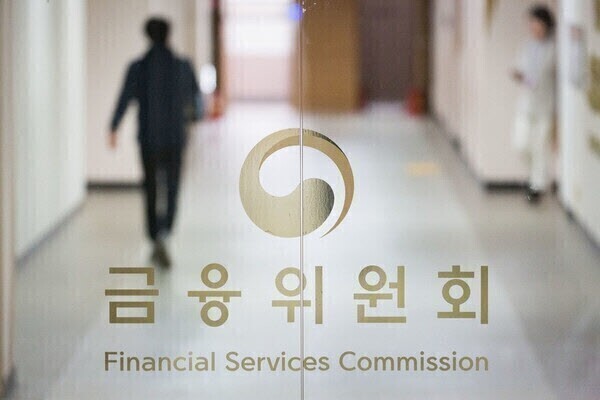
According to the Financial Intelligence Unit (FIU) under the Financial Services Commission, financial institutions reported a total of 1.3 million suspicious transactions in 2025, up sharply from 1 million cases the previous year. Under Korean law, banks and other financial firms are required to report transactions suspected of involving illicit funds or money laundering activities.
The surge reflects the rapid expansion of crypto-related criminal activity, as perpetrators increasingly use digital assets to disguise illegal proceeds as legitimate funds. Authorities noted that money laundering schemes now span a wide range of crimes, from narcotics trafficking to illicit exports of used vehicles.
Illegal foreign exchange transactions—commonly known as hawala-style remittance schemes—have also proliferated. Over the past five years, South Korean authorities, including the FIU and the Korea Customs Service, uncovered illegal currency exchange crimes totaling approximately KRW 11.5 trillion ($8.4 billion). Of that amount, 83%—around KRW 9.5 trillion—was linked to the use of cryptocurrencies, according to official data.
Officials attributed the sharp rise in suspicious transactions to the increasing sophistication of cross-border criminal networks and evolving concealment methods involving stablecoins and other digital assets. As transnational crime becomes more complex, regulators say investigative and enforcement capabilities must be significantly strengthened to keep pace with rapidly changing money laundering techniques.
Alphabiz Reporter Kim Jisun(stockmk2020@alphabiz.co.kr)