

 |
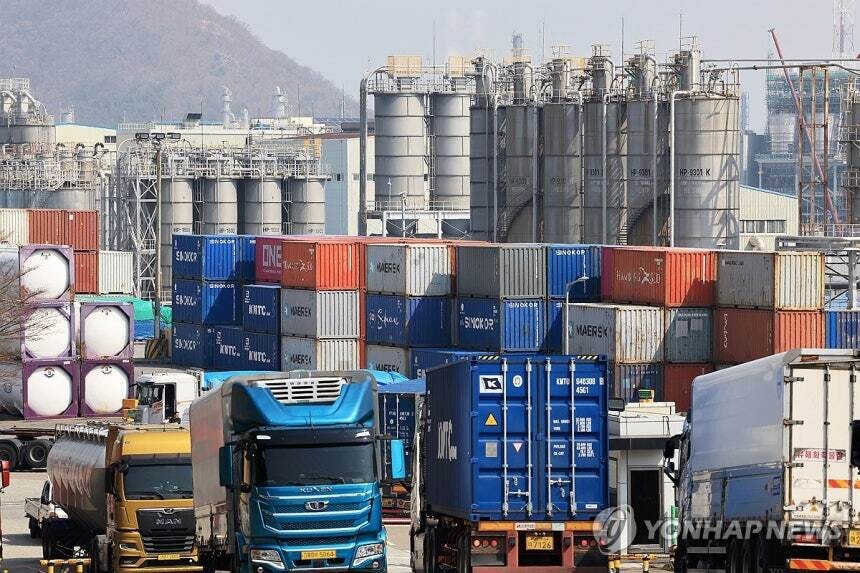
Yeosu Petrochemical Complex Hit by Middle East Crisis (Yonhap News) |
[Alpha Biz= Kim Jisun] South Korea will impose a full ban on exports of naphtha, a core feedstock in the petroleum and petrochemical industries, effective from midnight on March 27, as the government moves to contain a growing supply crisis triggered by prolonged conflict in the Middle East.
With naphtha supply becoming increasingly unstable due to ongoing geopolitical tensions, concerns have mounted over a broader disruption to industrial raw material supply chains. In response, authorities have introduced emergency measures to safeguard domestic demand.
Under the new policy, all naphtha produced domestically will be immediately prohibited from export. Volumes previously scheduled for export will be redirected entirely to domestic end-users.
The Ministry of Trade, Industry and Energy announced that it has promulgated regulations titled “Restrictions on Naphtha Exports and Measures for Supply Stabilization” in the official gazette, effective immediately as of midnight on March 27. The measure will remain in place for an initial five-month period.
The ministry had earlier drafted the export restriction framework to address anticipated supply disruptions and secured approval from the Cabinet and the President.
Naphtha, produced through crude oil refining, is a fundamental raw material in the petrochemical sector and is often referred to as the “rice of industry.” It is used to produce key chemicals such as ethylene and propylene, which serve as building blocks for plastics, textiles, rubber, packaging materials, and films, as well as components used in semiconductors and automobiles.
South Korea relies on imports for approximately 45% of its naphtha demand, with 77% sourced from the Middle East—leaving the country particularly exposed to regional instability.
Industry sources indicate that major domestic petrochemical producers have already significantly reduced output, with current inventories estimated to last only around two weeks. The impact is beginning to spread to consumers, with signs of stockpiling emerging in everyday goods such as government-regulated garbage bags.
Under the newly implemented export controls, all domestically produced naphtha will be subject to export restrictions, including volumes already under contract. Exceptions will only be granted with approval from the Minister of Trade, Industry and Energy.
According to the ministry, approximately 11% of domestically produced naphtha has historically been exported. Under the new restrictions, this volume will be fully redirected to meet domestic demand.
알파경제 Kim Jisun Reporter(stockmk2020@alphabiz.co.kr)