

 |
Photo courtesy of Yonhap News |
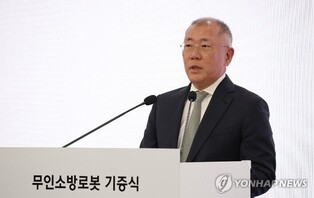
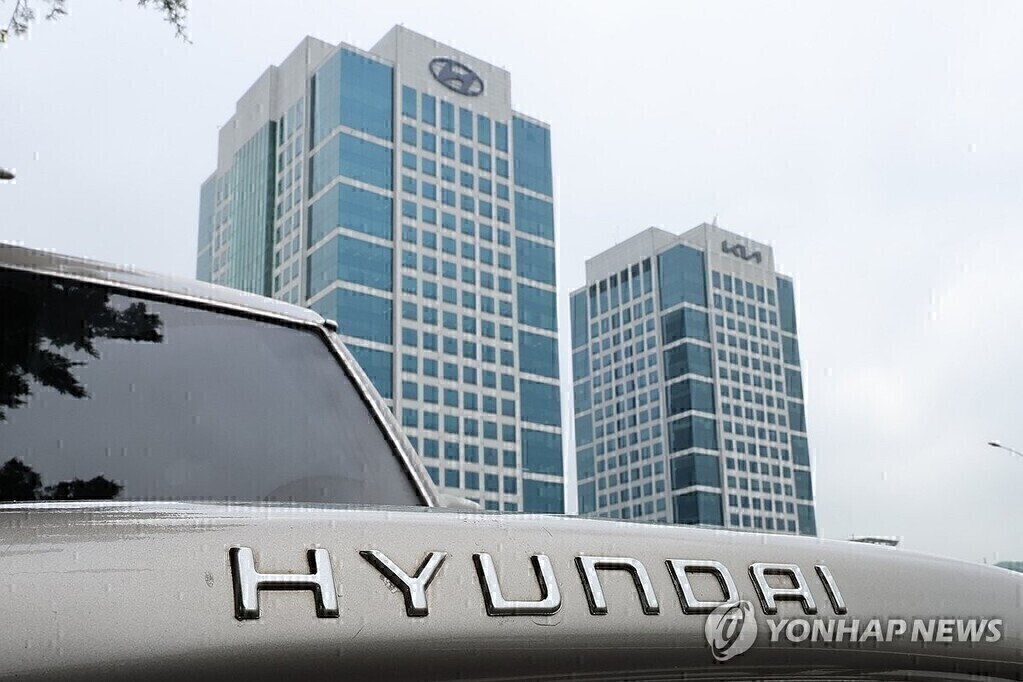
[Alpha Biz= Kim Jisun] Hyundai Motor Group has expressed opposition to potential additional tariffs under Section 301 of U.S. trade law, arguing that such measures would create an excessive double burden on industries already subject to existing import restrictions.
According to the Office of the United States Trade Representative (USTR), Hyundai Motor Group submitted formal comments stating that sectors such as automobiles and steel—already regulated under Section 232 of the Trade Expansion Act—should not be subject to further tariffs under Section 301.
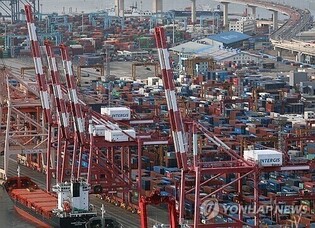
Section 232 allows the U.S. government to impose import restrictions if certain products are deemed a threat to national security. Currently, Korean steel products face tariffs of up to 50%, while automobiles and auto parts are subject to tariffs of around 15%.
 |
Photo courtesy of Yonhap News |
Hyundai Motor Group argued that applying additional Section 301 tariffs, which are typically used to address unfair trade practices, would effectively result in a double tariff burden, particularly for imports from targeted countries.
The company also noted that imposing additional tariffs on products already covered under Section 232 would likely increase production costs within the United States without contributing to expanded local manufacturing capacity, job creation, or supply chain resilience.
Section 301 enables the U.S. government to take retaliatory actions, including tariffs, against countries deemed to engage in unfair trade practices.
Alphabiz Reporter Kim Jisun(stockmk2020@alphabiz.co.kr)