

 |
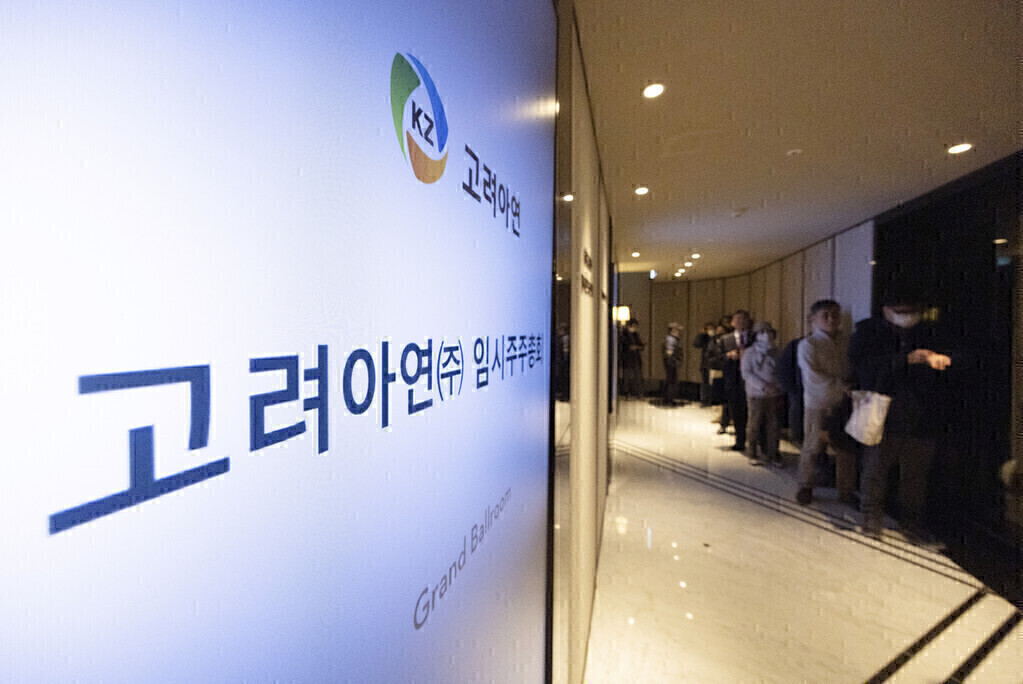
Photo = Korea Zinc |
[Alpha Biz= Paul Lee] Korea Zinc said a recent U.S. appellate court decision related to evidence discovery in litigation involving its management is a procedural ruling and does not assess the validity of its investment decisions.
The statement comes after Young Poong and MBK Partners said they would step up efforts to verify allegations surrounding Korea Zinc’s investment in Ignio following their appeal victory.
The case stems from a U.S. discovery process linked to a shareholder derivative lawsuit in Korea targeting Korea Zinc’s management. Previously, Young Poong and MBK requested document submissions and witness testimony from PedalPoint, which the U.S. court allowed. PedalPoint appealed, but the U.S. Court of Appeals for the Second Circuit dismissed the appeal on April 22.
Young Poong and MBK view the ruling as enabling them to proceed with evidence collection in the U.S. to examine the decision-making and deal structure behind the Ignio acquisition.
Ignio, an e-waste recycling company founded in 2021, was acquired by Korea Zinc in 2022 for about KRW 580 billion through PedalPoint. Critics have questioned the deal, citing Ignio’s capital impairment at the time.
Korea Zinc, however, argued that the ruling only reviewed whether the lower court properly exercised discretion under Section 1782 of U.S. federal law for evidence gathering and does not validate the opposing claims.
The company added that the investment was conducted through reasonable procedures based on global investment bank valuations and noted that representatives from Young Poong had supported the establishment of PedalPoint and the capital increase for the acquisition.
Korea Zinc also emphasized that PedalPoint plays a key role in its “Troika Drive” strategy in resource recycling, particularly in securing copper, a critical material for AI and power grid infrastructure.
Alphabiz Reporter Paul Lee(hoondork1977@alphabiz.co.kr)