

 |
Photo courtesy of Yonhap News |
[Alpha Biz= Ellie Kim] Foreign investors have returned to South Korea’s stock market, purchasing a combined 5.8 trillion won over three consecutive trading sessions and driving the benchmark index closer to its all-time high.
On June 16, the KOSPI closed up 2.11% at 2,726.6, marking its highest level since reaching a record 2,801.49 earlier this month. Despite net selling by retail investors totaling 2.44 trillion won, foreign investors bought 1.5 trillion won worth of shares, while institutions added another 1 trillion won.
The index has now risen for four straight sessions since June 11, supported largely by foreign investors who shifted to net buying after 24 consecutive trading days of net selling from May 7 to June 11, during which they offloaded a total of 82.76 trillion won.
The turnaround is attributed to improving global risk sentiment following a ceasefire agreement between the United States and Iran, alongside strong performance in U.S. semiconductor stocks. Oil prices also declined, with Brent crude falling from above $90 per barrel to around $82, while WTI dropped from $87 to $80 over the same period. U.S. 10-year Treasury yields also eased below 4.5%.
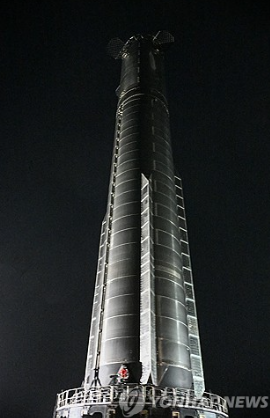
The completion of SpaceX’s listing further helped stabilize global markets, easing concerns about liquidity absorption and supporting broader equity gains.
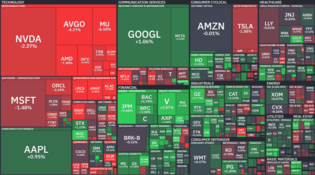
Semiconductor stocks led the rally in both U.S. and Korean markets. In the U.S., the Philadelphia Semiconductor Index rose 5.45%, with gains in Nvidia (+3.54%) and Micron Technology (+10.84%).
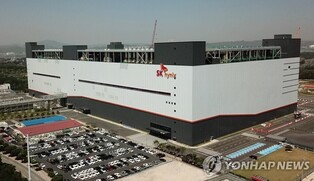
In Korea, Samsung Electronics (+1.78%), SK Hynix (+4.11%), and SK Square (+6.23%) all advanced. These three companies now account for 57.1% of the KOSPI’s total market capitalization.
Driven by the semiconductor rally, the combined market capitalization of SK Group’s listed affiliates surpassed 2,000 trillion won for the first time, reaching 2,019 trillion won—second only to Samsung at 2,552 trillion won. Together, the two groups account for 73.1% of the total market.
Despite the rally, the Korean won weakened. The USD/KRW exchange rate rose to 1,511.6 on June 16, marking the 21st consecutive session above the 1,500 level. Analysts attributed the resilience of the dollar to lingering uncertainties surrounding follow-up negotiations between the U.S. and Iran, as well as questions over the sustainability of foreign inflows.
Market participants are now closely watching the upcoming Federal Open Market Committee meeting, as well as the durability of foreign buying momentum.
Alphabiz Ellie Kim 인턴기자(press@alphabiz.co.kr)